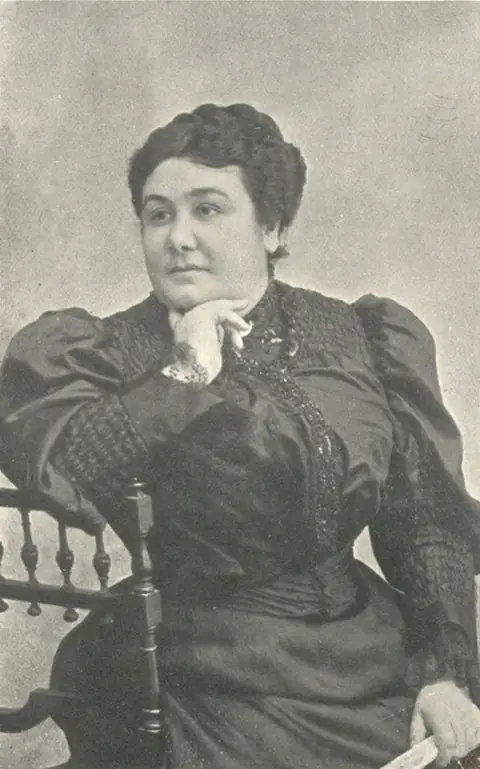
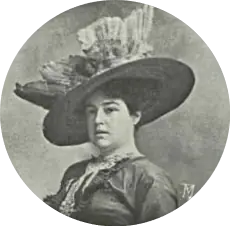
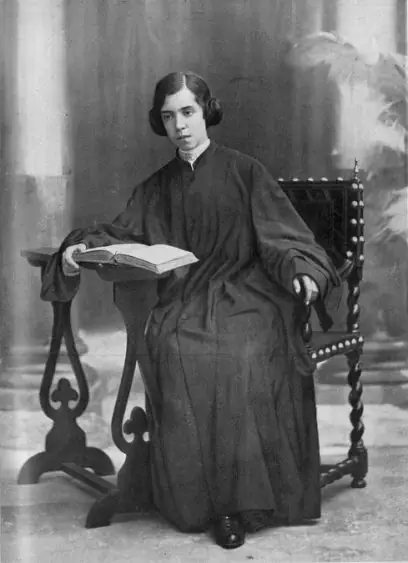
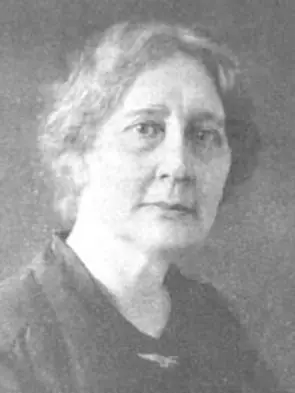
Described as the first Portuguese woman notary, with an office in Alcântara, she presented a paper at the First Feminist and Education Congress, in 1924, that demanded full political equality and the right to vote for Portuguese women.
Republicnotary, with an office in Alcântarawriter on public affairsauthor of two papers at the First Feminist and Education Congress (1924)
Aurora Teixeira de Castro e Gouveia was born in Porto in 1891.1 She is described as the first Portuguese woman notary.13 She had a notary’s office in Alcântara, and her abilities earned her a firm place among Lisbon’s notaries.1
In May 1924, at the First Feminist and Education Congress, she presented two papers: “Reivindicações Sociais e Políticas da Mulher Portuguesa na República” (The Social and Political Demands of Portuguese Women in the Republic) and “Situação da Mulher Casada nas Relações Matrimoniais dos Bens do Casal” (The Position of the Married Woman in the Matrimonial Property Relations of the Couple). The first, daring for its time, demanded full political equality for Portuguese women, “in the name of the principles of a genuine democracy”, and with it the right to vote.13
Among other works she published Notariado Português – sua História, Evolução e Natureza (The Portuguese Notariat: Its History, Evolution and Nature, 1923), Idades legais da mulher (Women’s Legal Ages, 1926) and Reivindicações feministas (Feminist Demands, 1928), and she wrote for Alma Feminina, of the National Council of Portuguese Women. She died in Valongo in 1931.1 Since 1988, the former Rua 6 in Bairro de Caselas has been called Rua Aurora de Castro, alongside streets named after other women pioneers, such as Carolina Beatriz Ângelo and Virgínia Quaresma.1