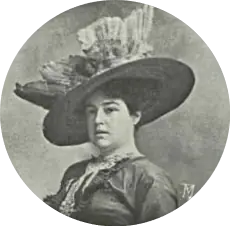
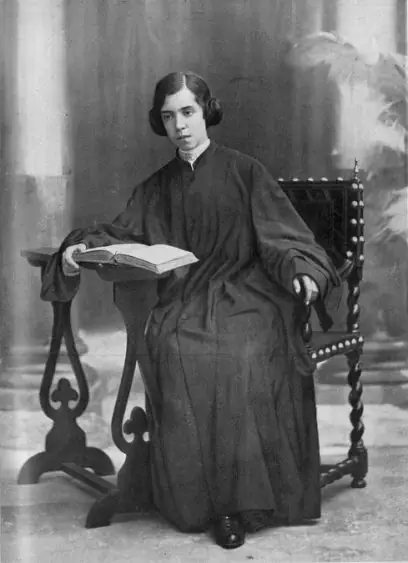
A primary school teacher and nursery teacher, she taught at Workshop School No. 1, in Graça, a school of libertarian inspiration; she sat on the organising committee of the First Feminist and Education Congress, in 1924, and on the board of the National Council of Portuguese Women.
Republicprimary school teacher and nursery teacherteacher at Workshop School No. 1 (Graça)leader of the National Council of Portuguese WomenFreemason, founder of the Humanidade Lodge (1923)
She was born in Beja in 1888 and came to Lisbon at the age of 12.2 She trained at the Lisbon Primary Teacher Training School, whose women’s section was in Largo do Calvário, in Alcântara. In 1910 she began teaching at Workshop School No. 1, in Largo da Graça, a school of anarchist and libertarian inspiration.1
A Freemason, she took part in introducing into Portugal a branch of the French mixed Freemasonry Le Droit Humain (The Human Right) and was, in 1923, one of the founders of its Humanidade Lodge, in Lisbon, where she took the symbolic name of Maria Amália Vaz de Carvalho.1 She sat on the organising committee of the First Feminist and Education Congress, which met in May 1924 in the great hall of the Lisbon Commercial Employees’ Mutual Aid Association.13 In 1928, the year of the Second Congress, she was on the board of the National Council of Portuguese Women.2 She died in Lisbon in 1993, aged 104.2
The day of death: 6 June 1993, according to Wikipedia; 8 June, according to João Esteves (Silêncios e Memórias).
The exact address of Workshop School No. 1, in Largo da Graça.
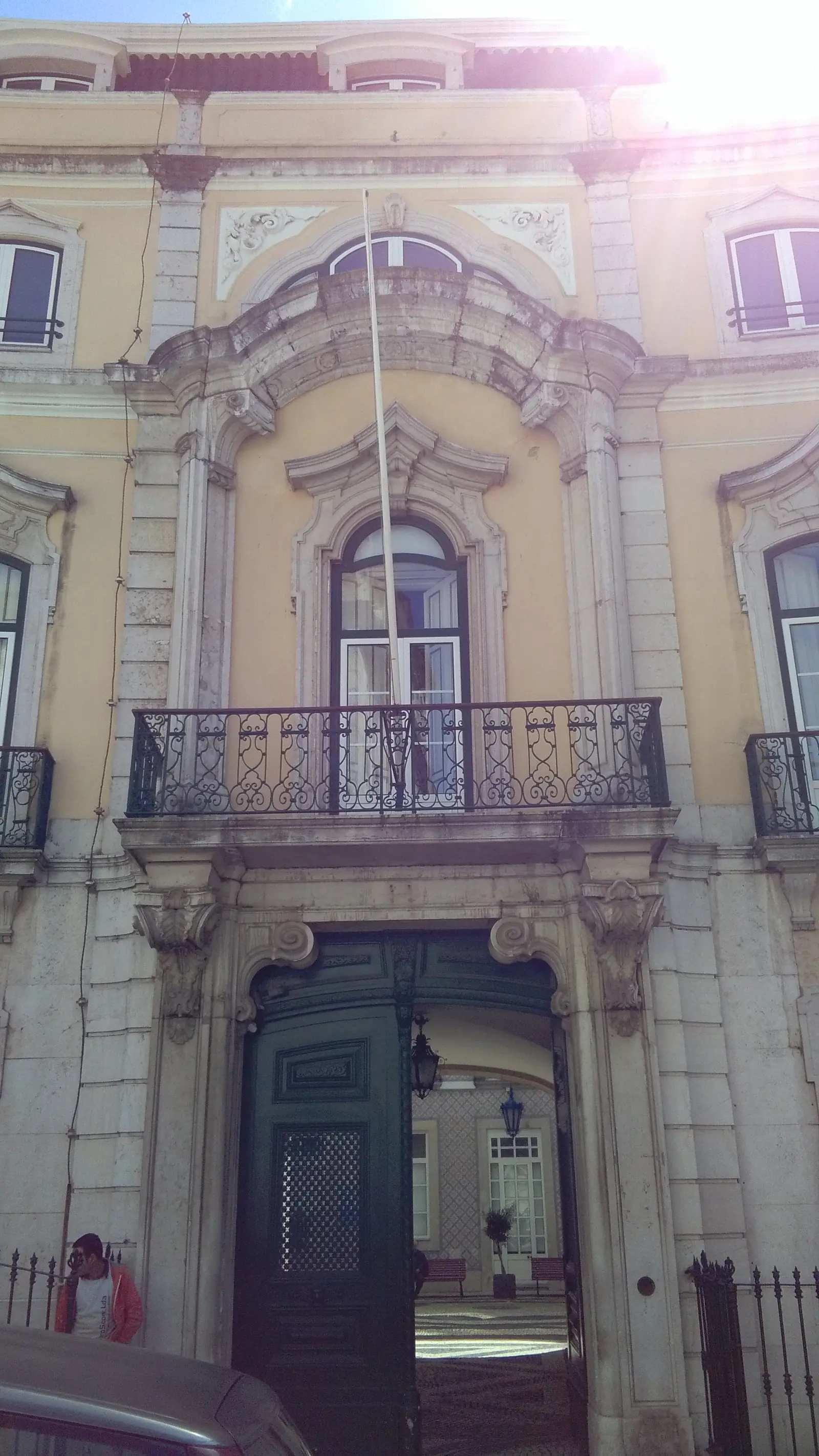
Whether the great hall where the 1924 congress met was that of the Palácio Vagos, which has belonged to the association since 1913.
Whether the Humanidade Lodge she helped to found in 1923, within Le Droit Humain, is the same one into which Maria Clara Correia Alves, within the Grande Oriente Lusitano, and Carolina Beatriz Ângelo, in 1906 or 1907, had earlier been initiated: their biographies do not say.
Do you know more, or do you have a document? Tell us.