People
António Tereso
1927–2017
António Alexandre Tereso
A mechanic imprisoned in Caxias, he posed for months as a “rachado” (turncoat), at the PCP’s request, to prepare the escape of 4 December 1961, and it was with him at the wheel of Salazar’s armoured car that eight prisoners got out of the fort.
- Born
- 16 November 1927, Alcobaça
- Died
- 7 January 2017
Biography
He was born in Alcobaça on 16 November 1927 and joined Carris in 1951.4 A driver for the company and a PCP activist, he was arrested on 27 February 1959 for his part in the struggle of the Carris workers.5
With a knowledge of mechanics, he was imprisoned in Caxias when José Magro, a party leader with long years in jail behind him, gave him the task of studying the possibilities of escape. To do so he had to pass himself off as a “rachado” (turncoat) — to pretend he had gone over to the jailers’ side — and put up with the contempt of his comrades. He resisted, but accepted.1 He kept it up for 19 months, Domingos Abrantes recalled in 2021, paying tribute to him as a hero of the anti-fascist resistance.2
He won the trust of the guards and the prison management and, with it, a freedom of movement rare for a prisoner. That is how he found Salazar’s armoured car in the garage, a 1937 Chrysler Imperial, whose repair was entrusted to him.13 He was about to be released, and his comrades, already sentenced, were to be transferred to Peniche: he had to get the car running, make it a familiar sight in the prison and work out how to bring it into the inner moat, the only place the other prisoners had access to. He also sabotaged the other cars, to prevent a chase.1
On the morning of 4 December 1961 he reversed the Chrysler through the tunnel into the inner moat of the North Redoubt, where the prisoners were pretending to play football during exercise time. At the shout of “Goal!” (Golo!), given by José Magro, seven prisoners got into the car, which smashed through the outer gate and left the prison under fire from the GNR.31 Escaping with him were António Gervásio, Domingos Abrantes, Francisco Miguel, Guilherme Costa Carvalho, Ilídio Esteves, José Magro and Rolando Verdial.2
Places

Dates
People
They crossed paths with him
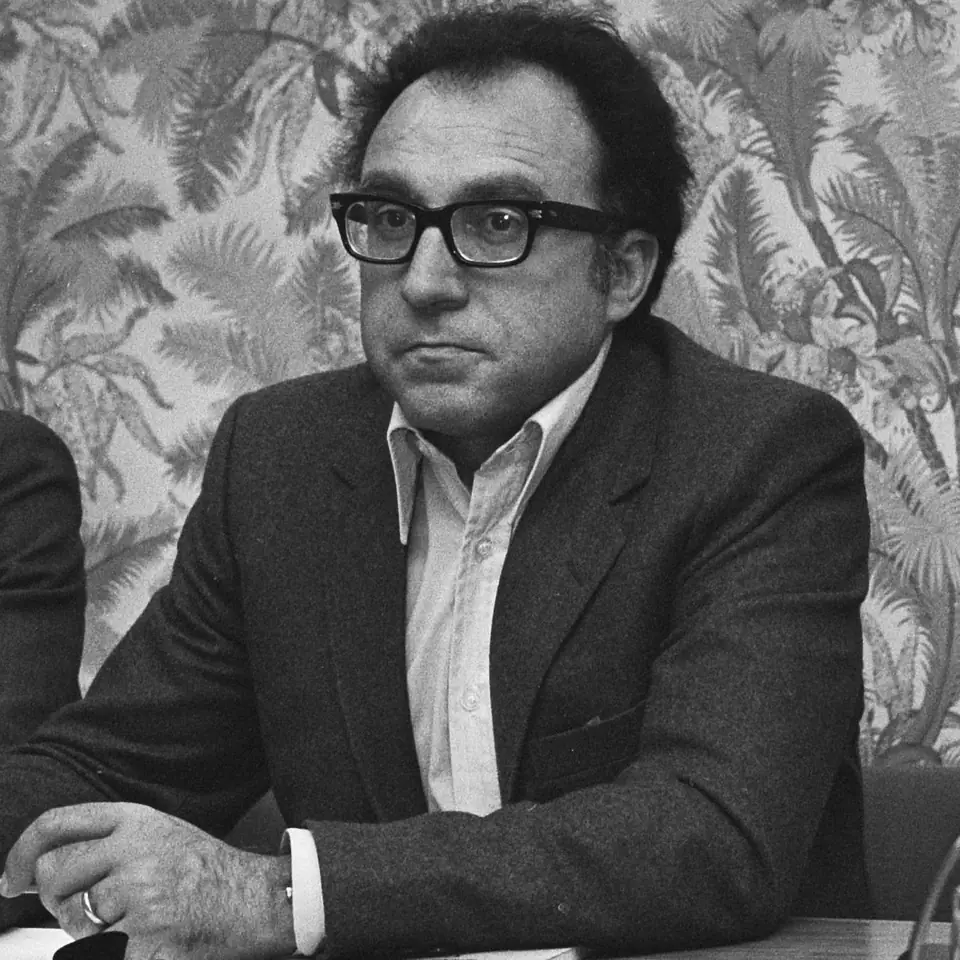
Domingos Abrantes
b. 1936 · leader of the MUD Juvenil
Aida Magro
1918–2011 · chemical engineer
Albina Fernandes
1928–1970 · fighter in the French Resistance
Alda do Espírito Santo
1926–2010 · poet
Aurora Rodrigues
b. 1952 · law student
Cesina Bermudes
1908–2001 · obstetrician

Videos
On the day of its 60th anniversary, Domingos Abrantes, one of the eight leaders of the Portuguese Communist Party (PCP) who escaped from Caxias Fort on 4 December 1961, recalls the escape. The prisoners got out in the armoured Chrysler that had once served Salazar, driven by António Tereso, smashing through the fort’s outer gate.
Original page Licença padrão do YouTube — embed permitido pelo canal oficial do Museu do Aljube
Museu do Aljube Resistência e Liberdade, on YouTube. The player only connects to that site when you press “Watch”.
Sources6
- 1Fuga de Caxias. Dedicação à prova de bala. URAP – União de Resistentes Antifascistas Portugueses — consulted on 2 October 2026
- 2A fuga de Caxias, um acto de resistência antifascista rumo à vitória, foi há 60 anos. URAP – União de Resistentes Antifascistas Portugueses — consulted on 2 October 2026
- 3Fuga de Caxias. Museu do Aljube Resistência e Liberdade (EGEAC) — consulted on 2 October 2026
- 4O alcobacense que ajudou sete homens a fugir da prisão de Caxias. Região de Cister, 2024 — consulted on 4 October 2026«António Alexandre Tereso nasceu em Alcobaça em 16 de novembro de 1927»; entrou na Carris em 1951 e foi condenado em fevereiro de 1960.
- 5António Tereso. Morreu o homem da fuga planeada em mortalhas. Diário de Notícias, 2017 — consulted on 4 October 2026António Alexandre Tereso morreu aos 89 anos a 7 de janeiro de 2017; motorista da Carris, preso a 27 de fevereiro de 1959 pela luta dos trabalhadores da empresa.
- 6Na Morte de António Tereso. URAP – União de Resistentes Antifascistas Portugueses, 2017 — consulted on 4 October 2026Nota de 8 de janeiro de 2017 — António Tereso, motorista da Carris, «morreu dia 7 de Janeiro, aos 89 anos».