Avenidas Novas
Vasco Santana Theatre (former Feira Popular funfair)
The municipal pavilion of the Feira Popular funfair, which became the Vasco Santana Theatre in 1972, was home to Luzia Maria Martins and Helena Félix’s Teatro Estúdio de Lisboa (Lisbon Studio Theatre). In 1974, the Women’s Liberation Movement launched “Mulheres Guerrilheiras” (Guerrilla Women) here, announced as the first Portuguese feminist record.
History
Lisbon’s Feira Popular funfair moved to Entrecampos, onto the grounds of the former General Livestock Market, and opened on 24 June 1961; the City Council set up a cinema in its Municipal Pavilion.1 It was in that pavilion that, on 16 December 1964, Luzia Maria Martins and Helena Félix presented Joana de Lorena (Joan of Lorraine), by Maxwell Anderson, the first production of the Teatro Estúdio de Lisboa (Lisbon Studio Theatre, TEL), the city’s first independent theatre company, which they founded with Valentina Trigo de Sousa.123 It was one of the texts the censors viewed with suspicion.4 In 1972, after building works, the cinema became the Vasco Santana Theatre, with the TEL as its resident company.1
In 1974, Luzia Maria Martins wrote Lisboa 72-74 for the company, scenes of Lisbon life that opened after 25 April, in which “Somos Livres” (We Are Free), with words and music by the actress Ermelinda Duarte, was heard for the first time.435 The sources do not say in which venue the play opened.
Also in 1974, late in the afternoon and with free admission, the Women’s Liberation Movement held here the launch show for “Mulheres Guerrilheiras” (Guerrilla Women), which O Século presented as the first Portuguese feminist record: a poem by Maria Teresa Horta, music by Pedro Jordão, sung by Teresa Paula Brito. In the cultural part, the artists Leonor Poeira, Maria da Glória and Teresa Paula Brito made “a denunciation of the current situation of sexist discrimination”.6
The TEL premiered its last play here, Habeas Corpus, on 12 January 1989, and came to an end in 1991, the year of Helena Félix’s death.14 On International Women’s Day 1993, the City Council inaugurated a street named after her nearby, next to Avenida das Forças Armadas; it was Luzia Maria Martins who unveiled the street sign.2 The Feira Popular closed in 2003, and the theatre with it.1 By 2015 only ruins were left of the pavilion; the site of the former Feira is now a building site, that of the EntreCampos development.7910
Where
Map showing where Vasco Santana Theatre (former Feira Popular funfair) is.
Open on the map of Lisbon Walk there
Nearby
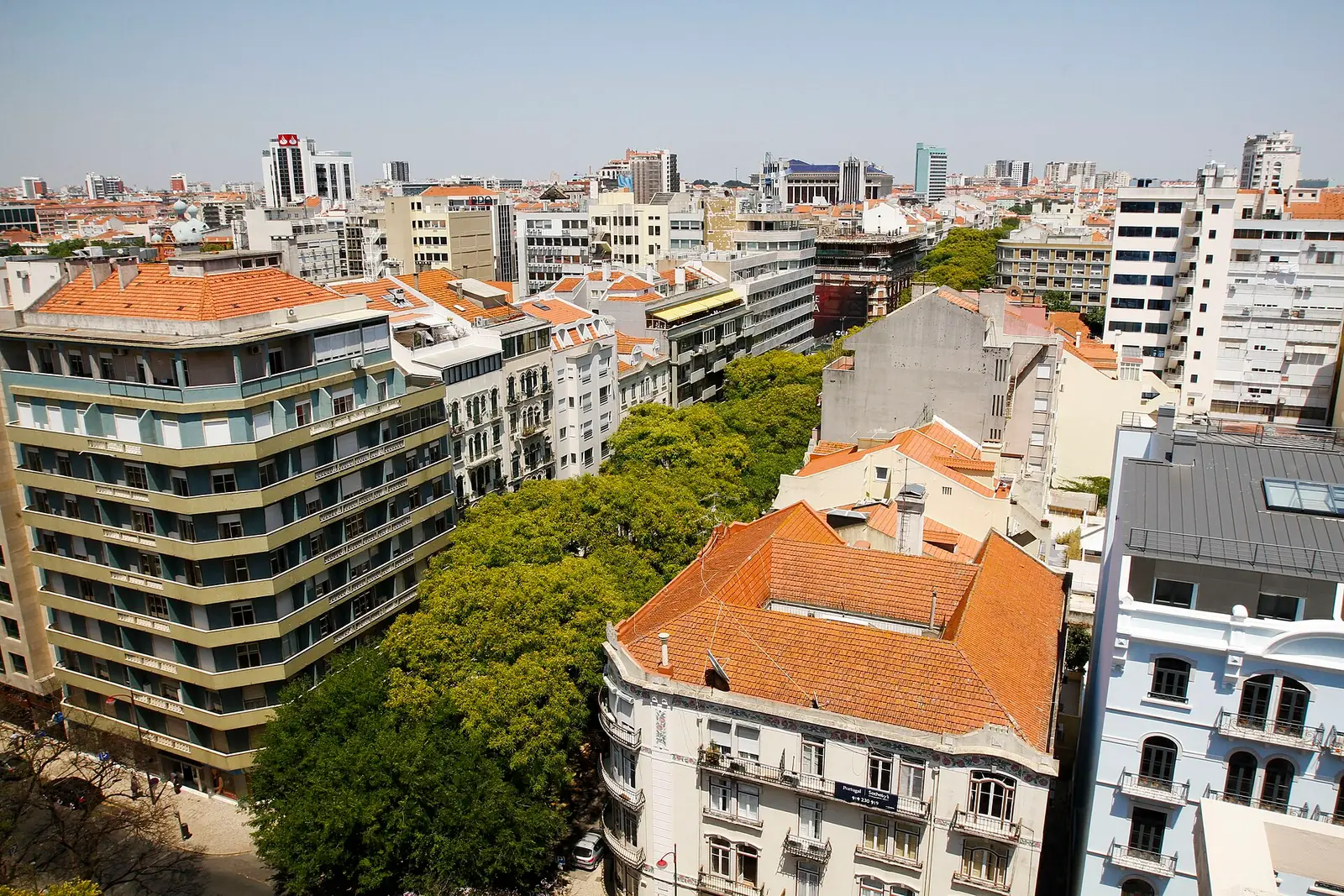
Avenida Barbosa du Bocage, no. 96 (Josué Trocado’s private chapel)
710 m · 10 min on foot
Emissores Associados de Lisboa (the studio on Avenida Elias Garcia)
850 m · 15 min on foot
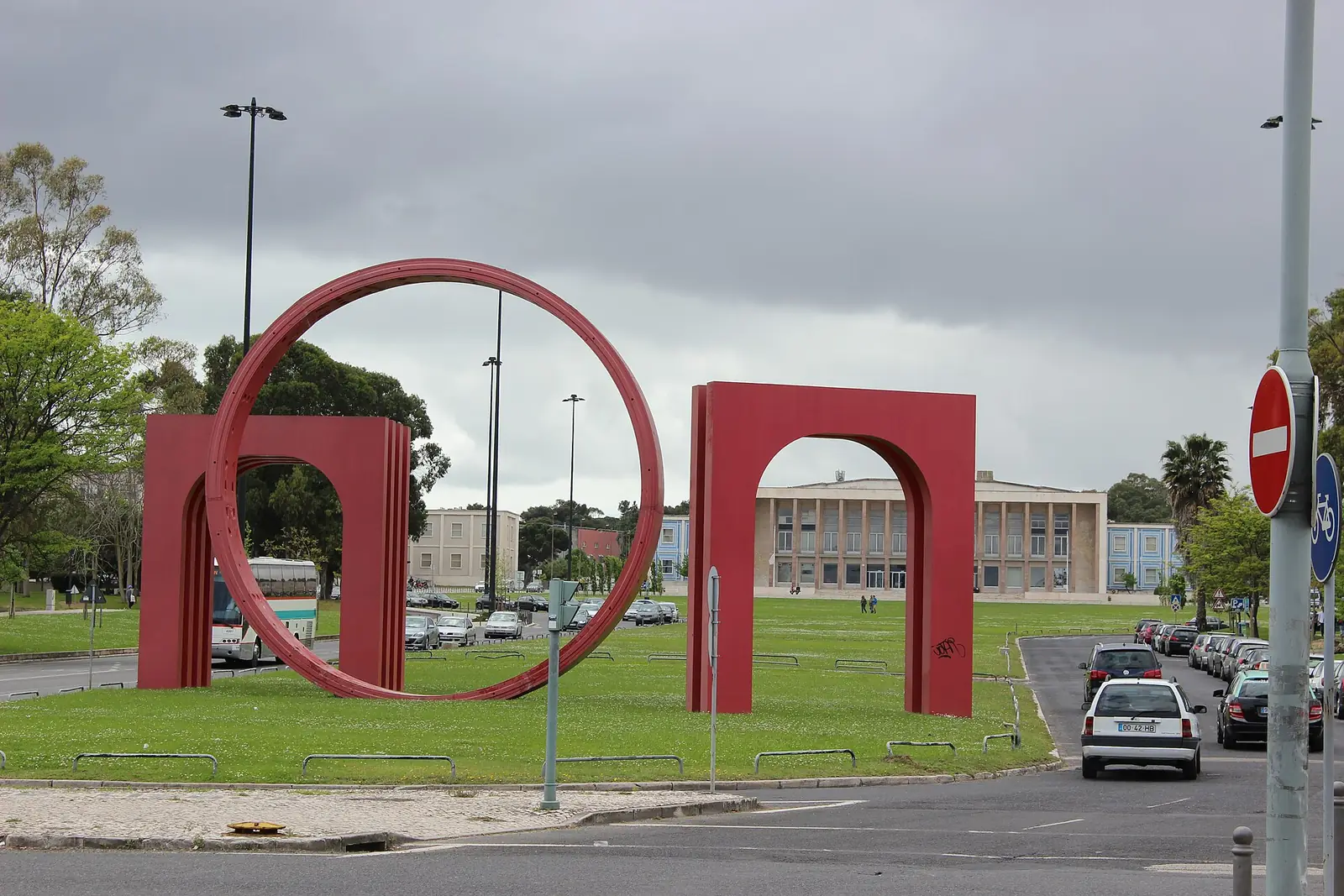
Cidade Universitária de Lisboa (University Stadium and faculties)
1 km · 15 min on foot
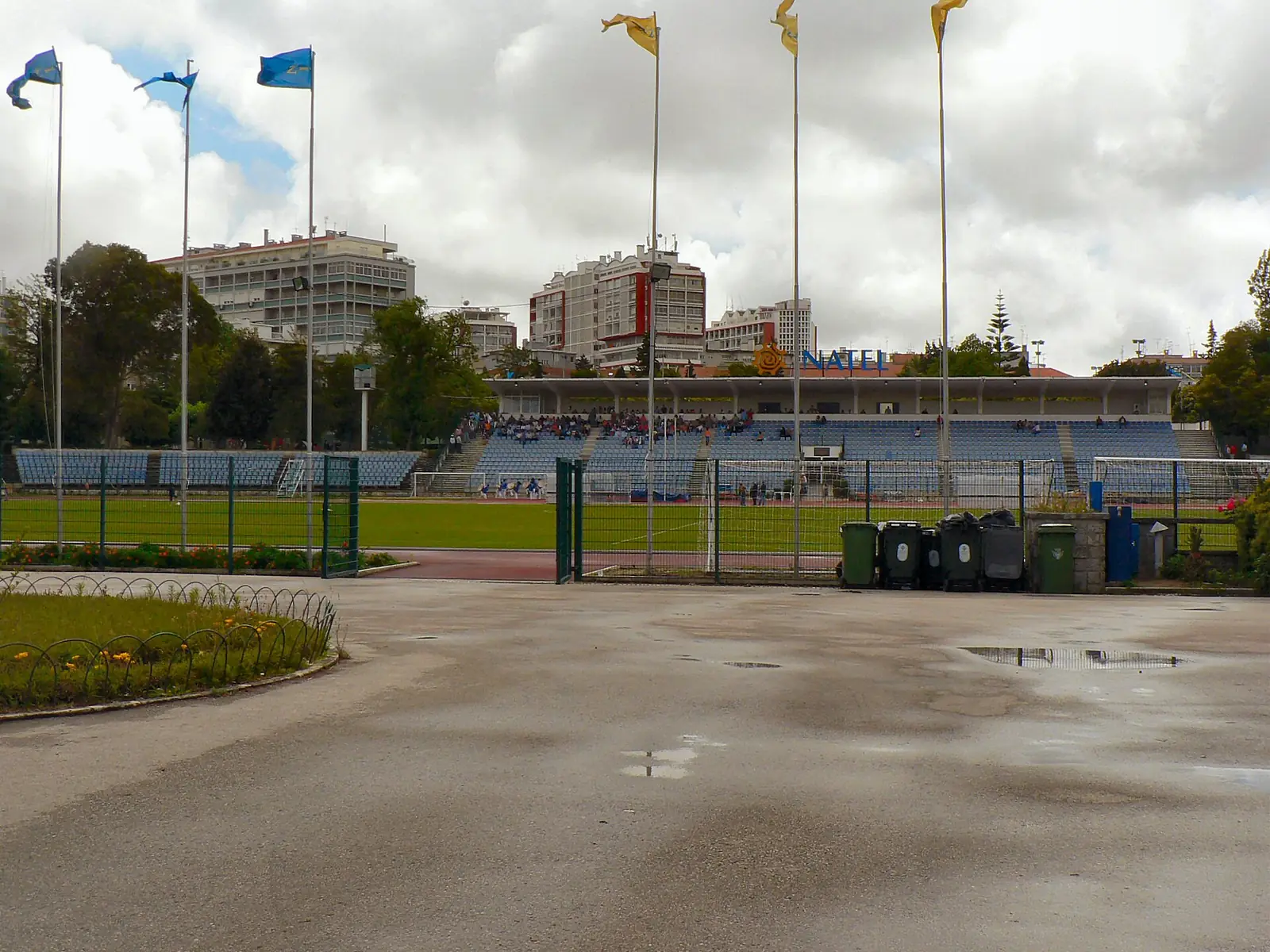
FNAT Stadium (renamed Estádio 1.º de Maio)
1 km · 15 min on foot


People
- Ermelinda Duarte b. 1946Actress with the Teatro Estúdio de Lisboa, the company that had its home here
- Helena Félix 1920–1991Co-founder and actress of the Teatro Estúdio de Lisboa, which made its debut here in 1964 and had its home here from 1972
- Luzia Maria Martins 1927–2000Founds the Teatro Estúdio de Lisboa, which makes its debut here in 1964 and has its home here from 1972
- Maria Teresa Horta 1937–2025Her poem “Mulheres Guerrilheiras” comes out on record, launched here at a Women’s Liberation Movement show (1974)
- Teresa Paula Brito 1944–2003Sings “Mulheres Guerrilheiras” at the Women’s Liberation Movement’s launch show (1974)
Dates
24 June 1961
The Feira Popular opens in Entrecampos, with a cinema in the Municipal Pavilion.
16 December 1964
The first production of the Teatro Estúdio de Lisboa, “Joana de Lorena”.
1972
The cinema becomes the Vasco Santana Theatre, the TEL’s permanent home.
1974
The Women’s Liberation Movement launches “Mulheres Guerrilheiras” here.
12 January 1989
Premiere of “Habeas Corpus”, the TEL’s last play in this theatre.
8 March 1993
Rua Helena Félix is inaugurated nearby.
2003
The Feira Popular and the theatre close.
Videos
Ermelinda Duarte’s single with “Somos Livres” (We Are Free), published by the Valentim de Carvalho label, which dates it to 1975: two songs of her own, with arrangements by José Cid. The song had been born in 1974 in the chronicle “Lisboa 72-74”, by the Teatro Estúdio de Lisboa.
Original page Licença padrão do YouTube — embed permitido pelo canal oficial da editora Valentim de Carvalho
Edições Valentim de Carvalho, on YouTube. The player only connects to that site when you press “Watch”.
In other archives
These can only be viewed on each archive’s own website.
- Casa Comum – Fundação Mário Soares e Maria Barroso · Document · 1974Movimento de Libertação das Mulheres - O SéculoA clipping from “O Século” kept in the UMAR archive: at the Vasco Santana Theatre, at a show with free admission, the Women’s Liberation Movement launched “Mulheres Guerrilheiras” (Guerrilla Women), announced as the first Portuguese feminist record, with a poem by Maria Teresa Horta, music by Pedro Jordão and the voice of Teresa Paula Brito.Open in the archive
- RTP Arquivos · Video · broadcast on January 1975 · 3 minCanção «Somos livres»Ermelinda Duarte sings “Somos Livres” (We Are Free), also known as “Uma Gaivota Voava, Voava” (A Seagull Was Flying, Flying), on the Noticiário Nacional (National News) in January 1975. The song, which she wrote, with arrangements by José Cid, came from the play “Lisboa 72-74”.Open in the archive
Notes on the sources5
- The exact spot of the theatre within the former Feira Popular: the captions of photographs from 1961 and 1972 place it on Avenida da República, and in 2015 the building was said to face the avenue; the point on the map is that of the Feira (Wikidata), in the strip of the site next to the avenue.
- In which venue “Lisboa 72-74”, the play in which “Somos Livres” was first heard, opened: no source says, and the list of plays staged at the Vasco Santana Theatre published by Restos de Colecção does not include it (for 1974 it records only “O mar” (The Sea), in March and April).
- The day of the Women’s Liberation Movement show: the clipping from “O Século” says “yesterday”, but bears no date; the Casa Comum dates it to 1974.
- When the theatre closed: in 2003, with the Feira (Restos de Colecção), or in 2006 (Lisboa de Antigamente).
- Whether anything of the building still remains: in 2015 it was in ruins (Misérias de Lisboa), and the site is now under construction.
Do you know more, or do you have a document? Tell us.
Sources11
- 1José Leite, Teatro Vasco Santana. Restos de Colecção (blogue), 2014 — consulted on 4 October 2026Com fotografias do Arquivo Municipal de Lisboa e da Hemeroteca Digital e uma lista das peças em cena no teatro, de 1963 a 1989.
- 2A Rua Helena Félix do Teatro Estúdio de Lisboa na Feira Popular. Câmara Municipal de Lisboa — Toponímia de Lisboa, 2018 — consulted on 4 October 2026
- 3A mãe do teatro independente num Largo da Quinta dos Barros. Câmara Municipal de Lisboa — Toponímia de Lisboa, 2013 — consulted on 3 October 2026
- 4Marta Brites Rosa, Luzia Maria Martins (Lisbon, 27/05/1927 – Lisbon, 13/09/2000). DramaOnline — Dramaturgia portuguesa dos séculos XX e XXI (dir. Sebastiana Fadda); versão revista da entrada do Centro Virtual Camões — consulted on 3 October 2026
- 5Ermelinda Duarte — «Somos Livres» [1975] (descrição do single, com o texto de Etelvina Lopes de Almeida que acompanhou a edição em vinil). Edições Valentim de Carvalho (canal oficial no YouTube), 2020 — consulted on 4 October 2026
- 6Movimento de Libertação das Mulheres - O Século (recorte de imprensa, 1974). Casa Comum – Fundação Mário Soares e Maria Barroso (fundo UMAR), 1974 — consulted on 4 October 2026Cota 10092.005.001.001. O recorte não traz data; o arquivo data-o de 1974.
- 7Teatro Vasco Santana. Misérias de Lisboa (blogue), 2015 — consulted on 4 October 2026
- 8Cinema da Feira Popular e Teatro Vasco Santana. Lisboa de Antigamente (blogue), 2022 — consulted on 4 October 2026
- 9«Melhor projeto urbanístico da Europa» vai nascer no terreno da antiga Feira Popular. Olhares de Lisboa, 2026 — consulted on 4 October 2026
- 10Felipe Ribeiro, Arranca megaprojeto imobiliário na antiga Feira Popular de Lisboa. RE Portugal (Vida Imobiliária), 2023 — consulted on 4 October 2026
- 11Feira Popular de Lisboa (Q18477561). Wikidata — consulted on 4 October 2026Coordenadas (P625) do recinto de Entrecampos: 38,746389, −9,148889.
Coordinates: Wikidata (Q18477561, P625: a antiga Feira Popular de Lisboa), consultado a 4 de outubro de 2026. O ponto cai na faixa do recinto junto à Avenida da República (OpenStreetMap, way 238480216), o lado onde as fontes situam o teatro; o ponto exato do pavilhão não se encontrou..