Avenidas Novas
Avenida Barbosa du Bocage, no. 96 (Josué Trocado’s private chapel)
It was here, on 4 July 1937, that the bomb with which anarchists tried to kill Salazar went off, as he arrived for Mass at the chapel of his friend Josué Trocado. The dictator was unhurt; the police arrested and tortured people who had nothing to do with the case.
History
On Sundays, Salazar went to Mass in the private chapel of his friend Josué Trocado’s house, at no. 96 on this avenue, in the block between Avenida da República and Avenida 5 de Outubro.2 On the morning of 4 July 1937, as the dictator was getting out of his car, a dynamite bomb went off, planted in a sewer. An error of a few centimetres made it explode in the wrong direction: it opened a huge crater, destroyed the sewers around it, shattered the windows and sent the paving stones flying. Salazar was unhurt and went on to Mass.1 If the next day’s newspapers are to be believed, he brushed the earth off his suit and said to his chief of staff: “Let us go and hear Mass.”2
The attack, prepared in the climate of the Spanish Civil War, is usually attributed to anarchists such as Emídio Santana, who are thought to have acted in liaison with other elements of the Popular Front, notably of the Portuguese Communist Party (PCP).1 The regime capitalised on the shock: thanksgiving Masses were said everywhere, and Salazar’s providential image came out strengthened.3
The investigation was another form of violence. The very next day, the police began arresting communist activists who had nothing to do with the attack — among them a woman from the PCP’s Women’s Section, Deolinda da Conceição Barreiros — and the violence of the interrogations wrung long statements about the life of the party out of them.2 Two of the prisoners, José Lopes da Silva and Jacinto Estêvão de Carvalho, and perhaps a third, Augusto Martins, died as a result of the torture.1 The leadership of the PVDE itself eventually admitted that it had persecuted, arrested and convicted people who had had nothing to do with the case, and that the attack had been planned and carried out by Emídio Santana, Jaime Duarte, António Granja, Francisco Damião, Raul Pimenta and Vaz Rodrigues.2
Where
Map showing where Avenida Barbosa du Bocage, no. 96 (Josué Trocado’s private chapel) is.
Open on the map of Lisbon Walk there
Nearby
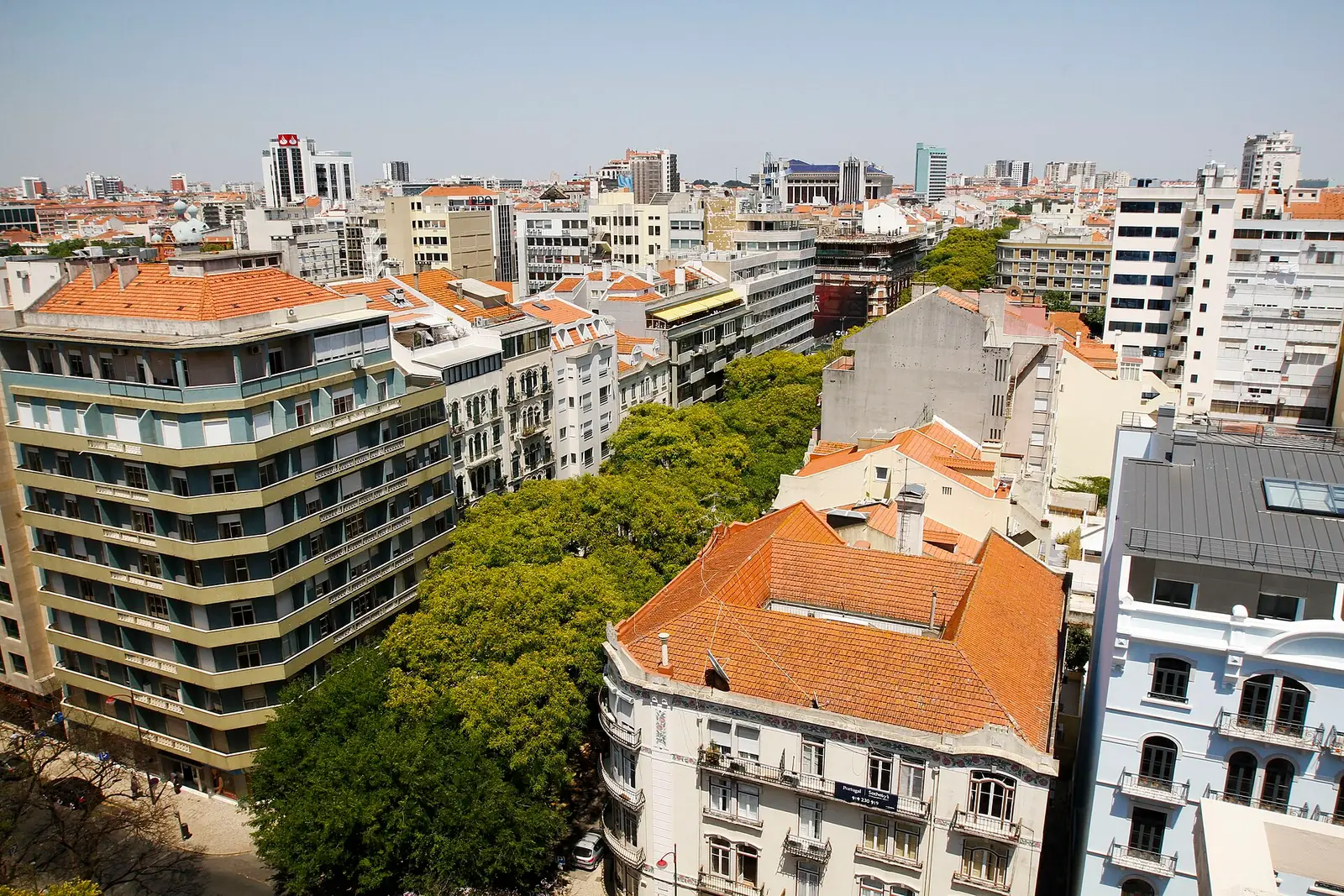
Emissores Associados de Lisboa (the studio on Avenida Elias Garcia)
280 m · 4 min on foot
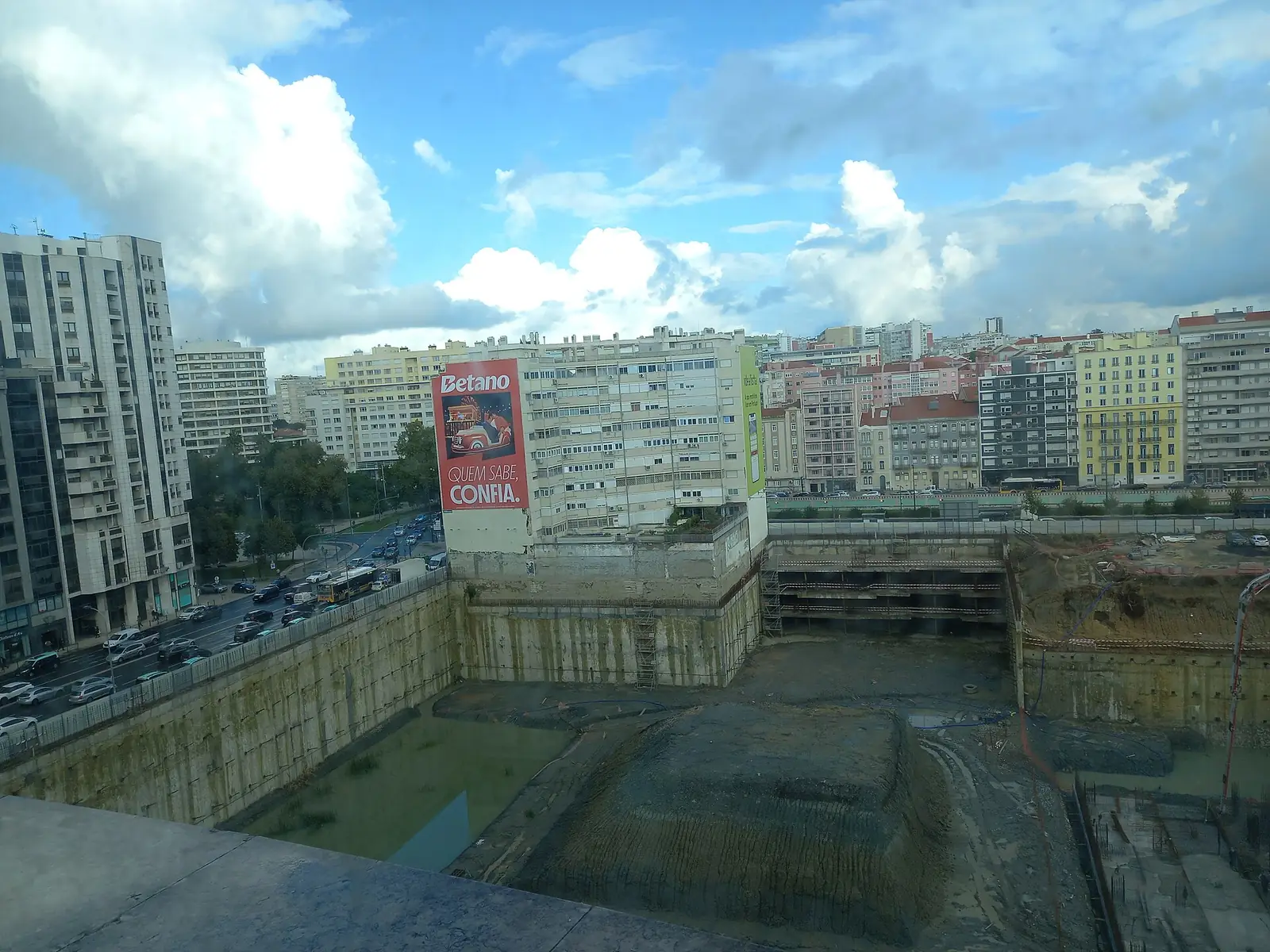
Vasco Santana Theatre (former Feira Popular funfair)
710 m · 10 min on foot
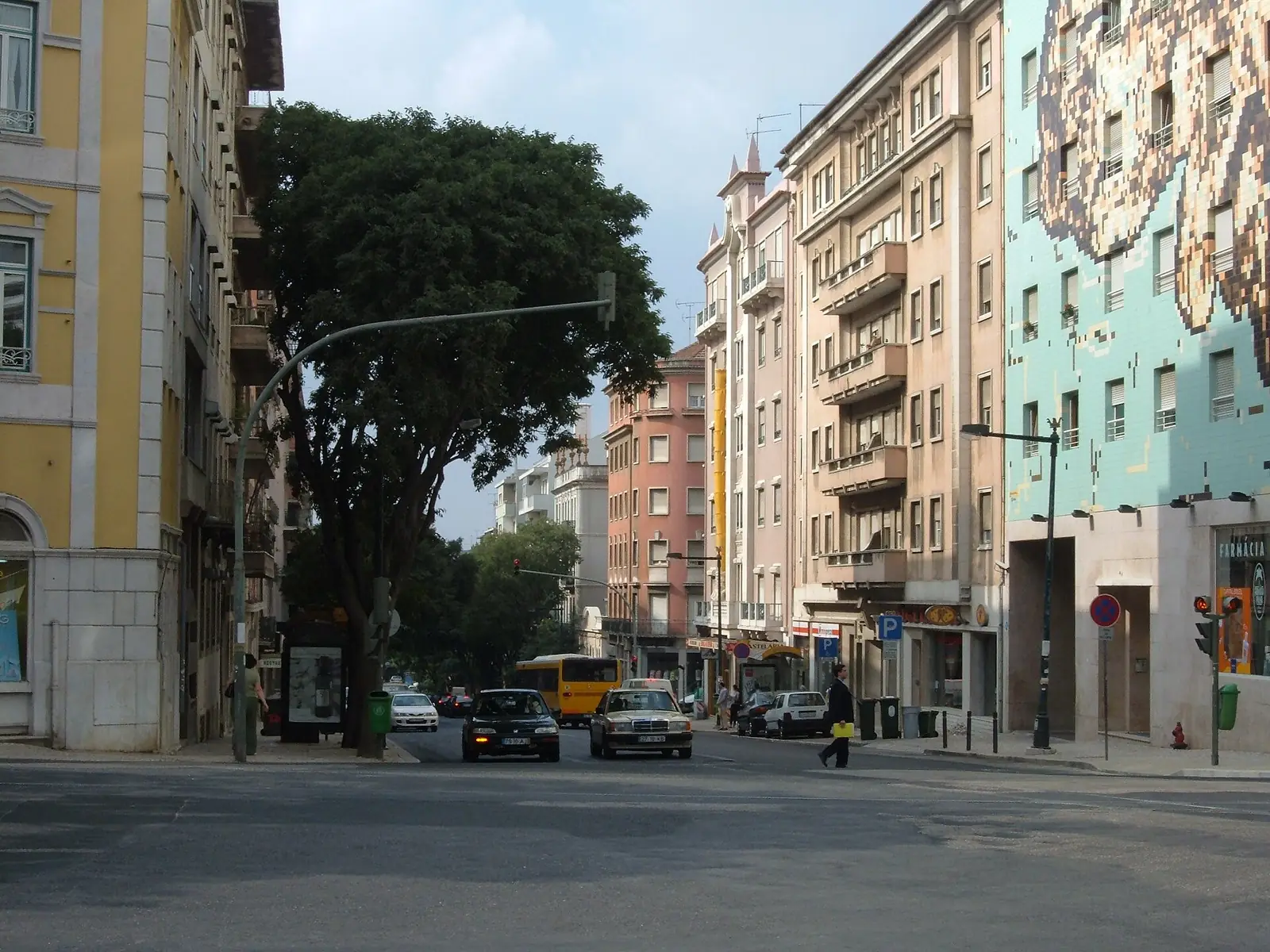
House of the Students of the Empire (CEI)
780 m · 10 min on foot
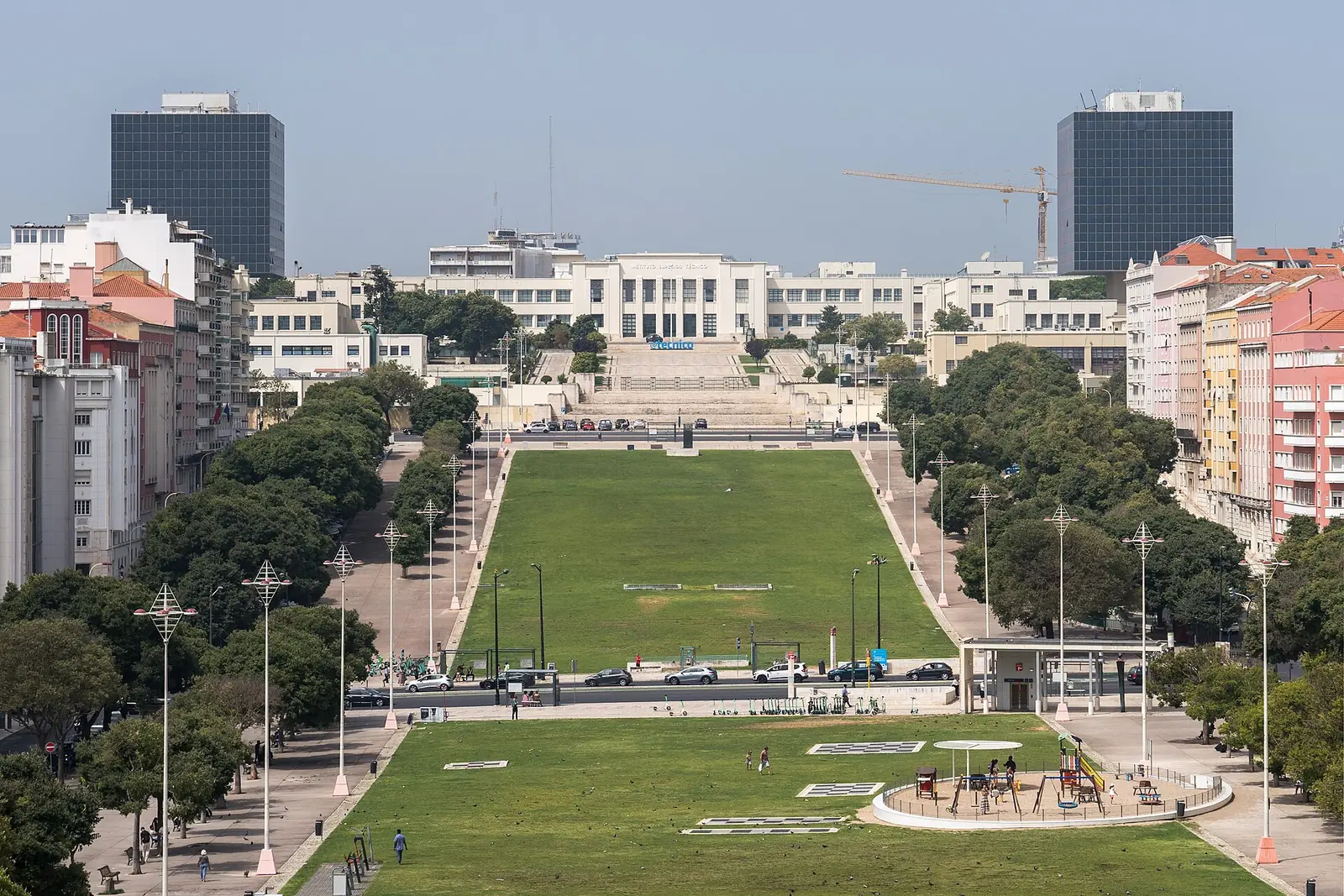
Instituto Superior Técnico
870 m · 15 min on foot


People
Dates
4 July 1937
The bomb meant for Salazar goes off at the door of Josué Trocado’s chapel.
5 July 1937
The police begin arresting communist activists with no connection to the attack.
Notes on the sources2
- The time of the explosion: “around 10 o’clock in the morning” (António de Araújo), 10:25 (Diário de Notícias) or “at about half past 10” (the indictment in the case, from 1938, transcribed on the blog Cidadãos por Abrantes, with no archive reference).
- Whether the building at no. 96 still exists and what number it has today: the coordinates mark the avenue, not the building.
Do you know more, or do you have a document? Tell us.
Sources6
- 1Atentado a Salazar. Museu do Aljube Resistência e Liberdade (EGEAC) — consulted on 2 October 2026
- 2O atentado de 1937 contra Salazar e as consequências para o PCP (pré-publicação de «Os Anos Esquecidos»). Observador — consulted on 2 October 2026
- 3Salazar. A história e os detalhes do atentado à bomba de 1937 de que o ditador escapou (excerto de «Matar o Salazar», de António Araújo). Observador — consulted on 2 October 2026
- 4O dia em que Salazar sofreu um atentado. Diário de Notícias — consulted on 2 October 2026
- 5Retratos do atentado a Salazar. RTP Ensina — consulted on 2 October 2026
- 6Emídio Santana. Wikipédia — consulted on 2 October 2026
Coordinates: OpenStreetMap (Nominatim), consultado a 2 de outubro de 2026.