The conspirators of the “Revolta da Sé” (Cathedral Revolt) met in the cathedral cloisters: a coup by civilians and soldiers, mainly Catholic in inspiration, which was to be launched on the night of 11 to 12 March 1959 and died before it was born, because the government already knew about it.
Today: Lisbon Cathedral (Church of Santa Maria Maior)
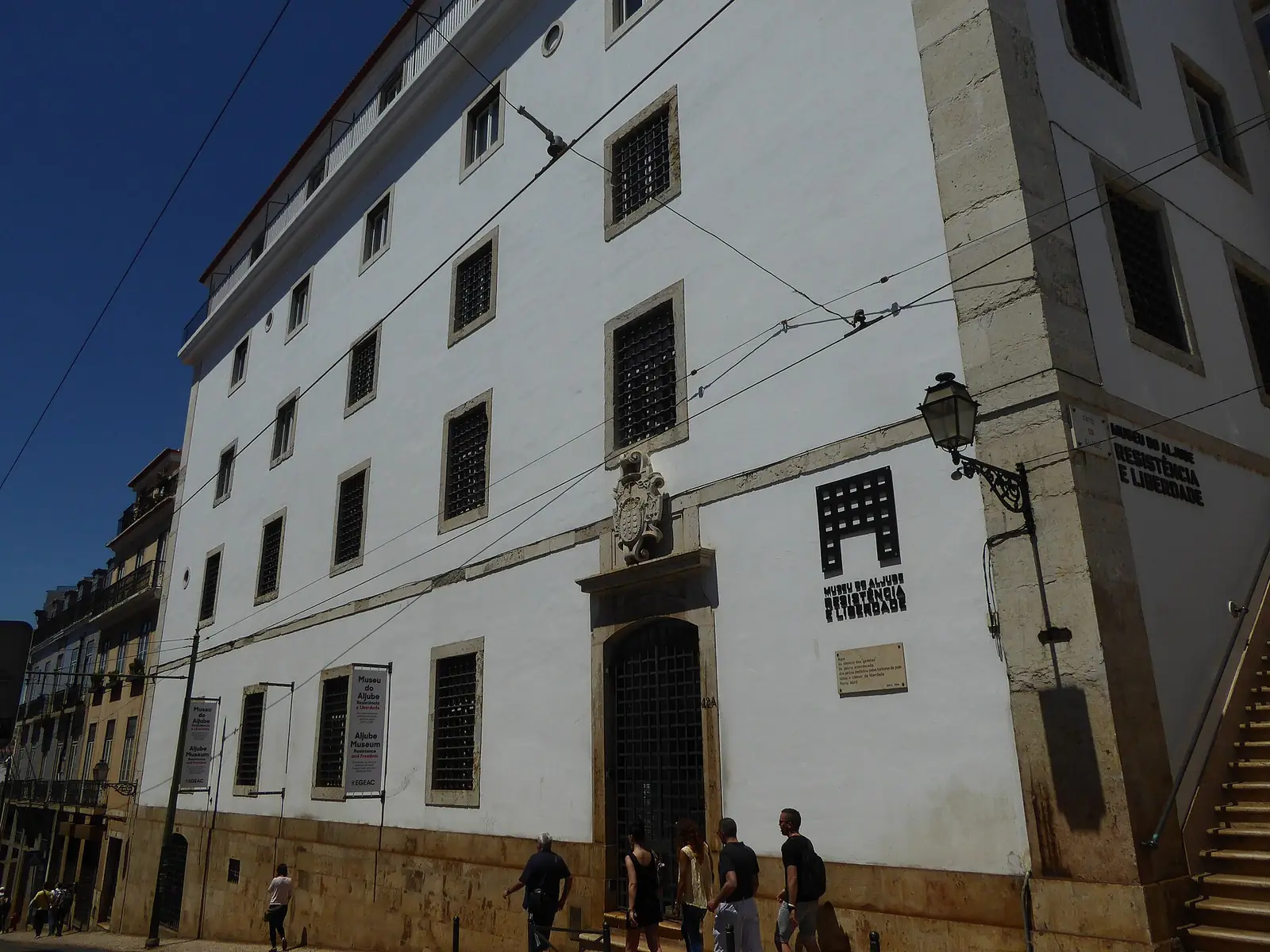
After the electoral fraud of 1958, which kept Humberto Delgado out, part of the opposition radicalised. On the night of 11 to 12 March 1959, a coup by civilians and soldiers against Salazar’s government was to have taken to the streets, clearly Catholic in inspiration, but with democrats of other persuasions.2 It became known as the “Revolta” or “Golpe da Sé” (the Cathedral Revolt or Coup) because the conspirators met here, in the Sé Patriarcal, a few metres from the Aljube, then a prison.12
According to the account of the historian Irene Flunser Pimentel, based on the PIDE case file, about a hundred recruited civilians had orders to gather in milk bars and cafés in various parts of the city, and the group leaders were summoned to the cathedral cloisters, where they were to wait for instructions. At 23:00 on 11 March, Manuel Serra — a former leader in the Catholic youth movement and the “civilian soul” of the conspiracy — was handing out badges, ropes and uniforms when two officers from the Military Junta arrived. One of them, Major Pastor Fernandes, ordered everyone to disperse and get out of the church quickly: the government already knew about the coup.2
The coup died before it was born. The PIDE arrested 44 people; the first was Manuel Serra, at nightfall on 13 March. The priest João Perestrelo de Vasconcelos, who had helped the civilians get into the cloisters, was arrested on 18 March.2 He was not the parish priest of the Sé, contrary to what is sometimes written: he was chaplain of the Alfeite Arsenal, and what he lent the conspirators was the headquarters of the Associação dos Marinheiros Católicos (Catholic Sailors’ Association), which was in the cloisters; he lost his post at the Arsenal and ended up leaving for Brazil.6 The verdict, read on 14 January 1961, handed down sentences of three to twenty-two months in prison.2
Three years later, at the height of the academic crisis, the cathedral again saw repression at close quarters: on 20 June 1962, a student demonstration for the release of Eurico Figueiredo, held in the Aljube, was meant to end by the prison, but was broken up by a riot police charge near the cathedral. The students went on to the Baixa shouting “Freedom! Autonomy!” (Liberdade! Autonomia!).4
5Horários. Sé de Lisboa — consulted on 3 October 2026
6Nuno Teotónio Pereira, Padres e ditadura — uma mensagem e um «memorandum» de Nuno Teotónio Pereira. Entre as brumas da memória (blogue de Joana Lopes), 2007 — consulted on 4 October 2026O padre João Perestrelo de Vasconcelos era capelão do Arsenal do Alfeite e deixou Manuel Serra e outros dirigentes da Ação Católica Operária usar a sede da Associação dos Marinheiros Católicos, nos claustros da Sé; foi demitido do Arsenal e partiu depois para o Brasil.
Coordinates: OpenStreetMap (Nominatim), consultado a 2 de outubro de 2026.