Belém
Praça do Império
Laid out for the Exhibition of the Portuguese World, in 1940, it was the centre of the largest showcase of imperial propaganda staged by the Estado Novo (“New State”). The coats of arms of the colonies that the garden received in the 1960s stirred controversy again in the 21st century.
History
Ten years before this square existed, the Colonial Act of 1930 had stated in Article 2: “It is of the organic essence of the Portuguese Nation to fulfil the historic function of possessing and colonising overseas domains and of civilising the native populations”.1 In the 1930s the regime invested in an “imperial mystique”, made up of schooling, propaganda and commemorations; the Portuguese Colonial Exhibition, in Porto, in 1934, and the one in Belém, in 1940, were the largest undertakings of this “collective pedagogy” of the empire, in the words of the historian Cláudia Castelo.2
The square was laid out for the Exhibition of the Portuguese World, the centrepiece of the celebrations of the “double centenary” — of the founding of the kingdom, in 1140, and of the Restoration, in 1640. To make way for it, working-class houses and shops in Belém were demolished.2 In the centre stood the Fonte Monumental; to the west, the Pavilion of the Portuguese in the World, by Cottinelli Telmo; to the east, the Pavilion of Honour and of Lisbon, by Cristino da Silva; to the south, by the river, the Espelho de Água (Water Mirror) and the Padrão dos Descobrimentos (Monument to the Discoveries).3 The exhibition opened on 23 June 1940, the day after the armistice between France and Germany, and closed on 2 December; it is estimated to have had three million visits. The Colonial Section was next door, in the Colonial Garden.2
In the 1960s the garden received floral coats of arms, eight of them of what were then colonies.4 In January 1975, by the Jerónimos Monastery, people who had arrived from the overseas territories demonstrated against the discrimination faced by those who came from there: “Decolonisation Yes! Discrimination No!” (Descolonização Sim! Discriminação Não!), read a placard.5
In 2014 the renovation of the garden caused controversy, because the removal of the coats of arms of the former colonies was planned; in 2021 more than 5,500 people signed a petition against their removal, and the mayor replied that the 1960s flower arrangements had not existed for decades. The garden reopened on 14 February 2023, with Cottinelli Telmo’s design restored and the coats of arms of the district capitals remade in stone mosaic paving (calçada).4 In the debates about the square, notes the historian Márcia Chuva, the “human zoos” of 1940 were forgotten.6
Where
Map showing where Praça do Império is.
Open on the map of Lisbon Walk there
Nearby
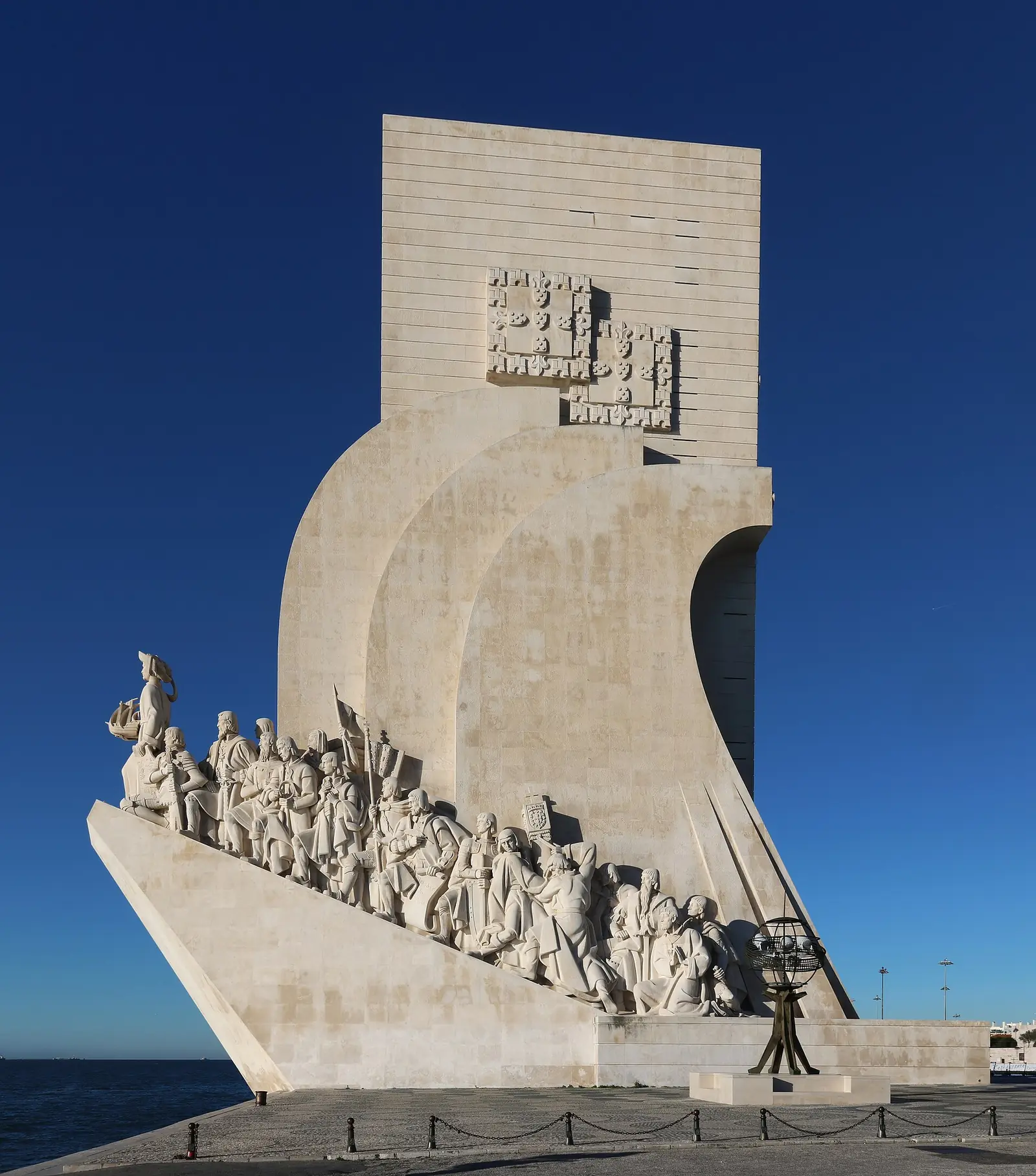
Padrão dos Descobrimentos (Monument to the Discoveries)
280 m · 4 min on foot
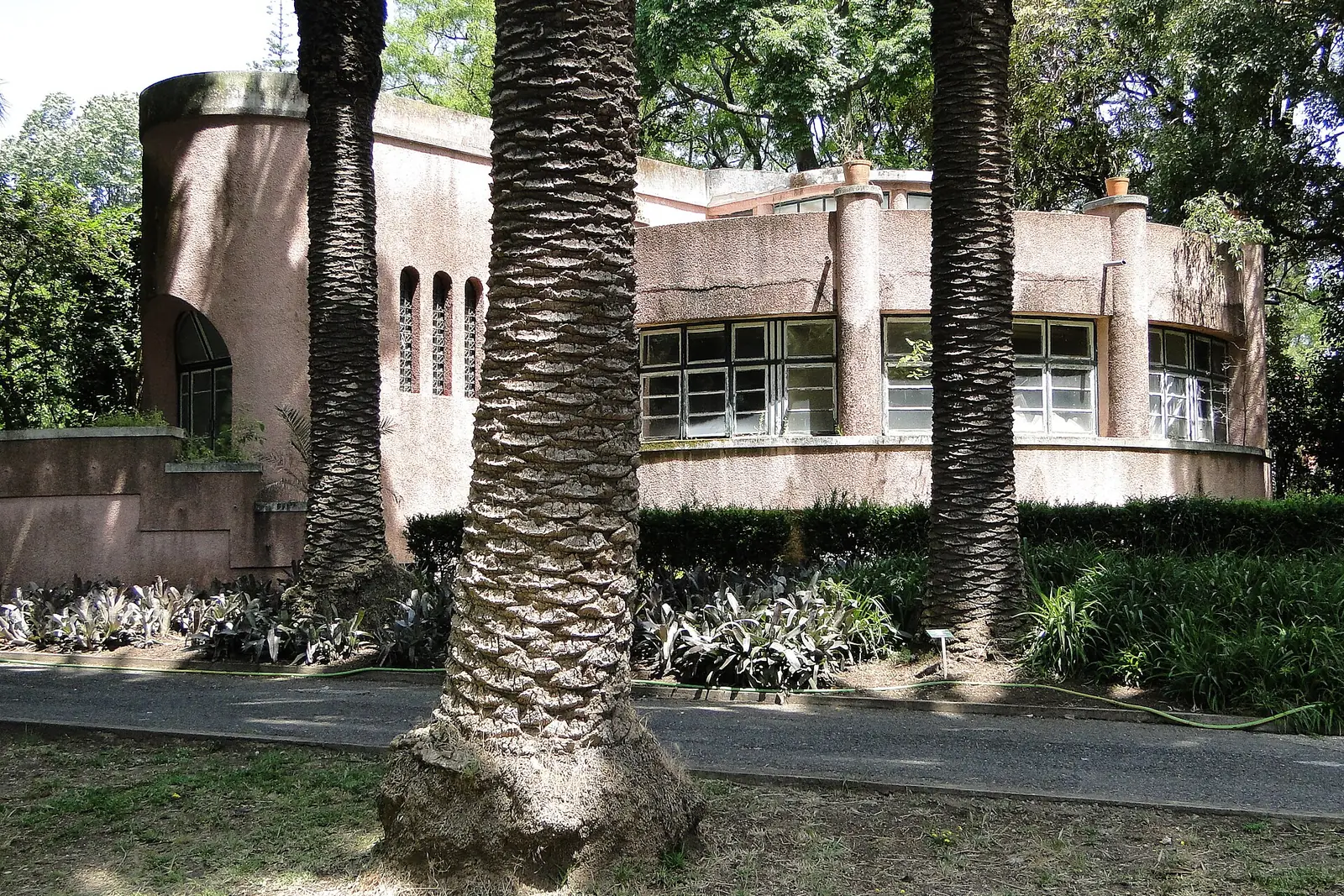
Tropical Botanical Garden (formerly the Colonial Garden)
300 m · 4 min on foot
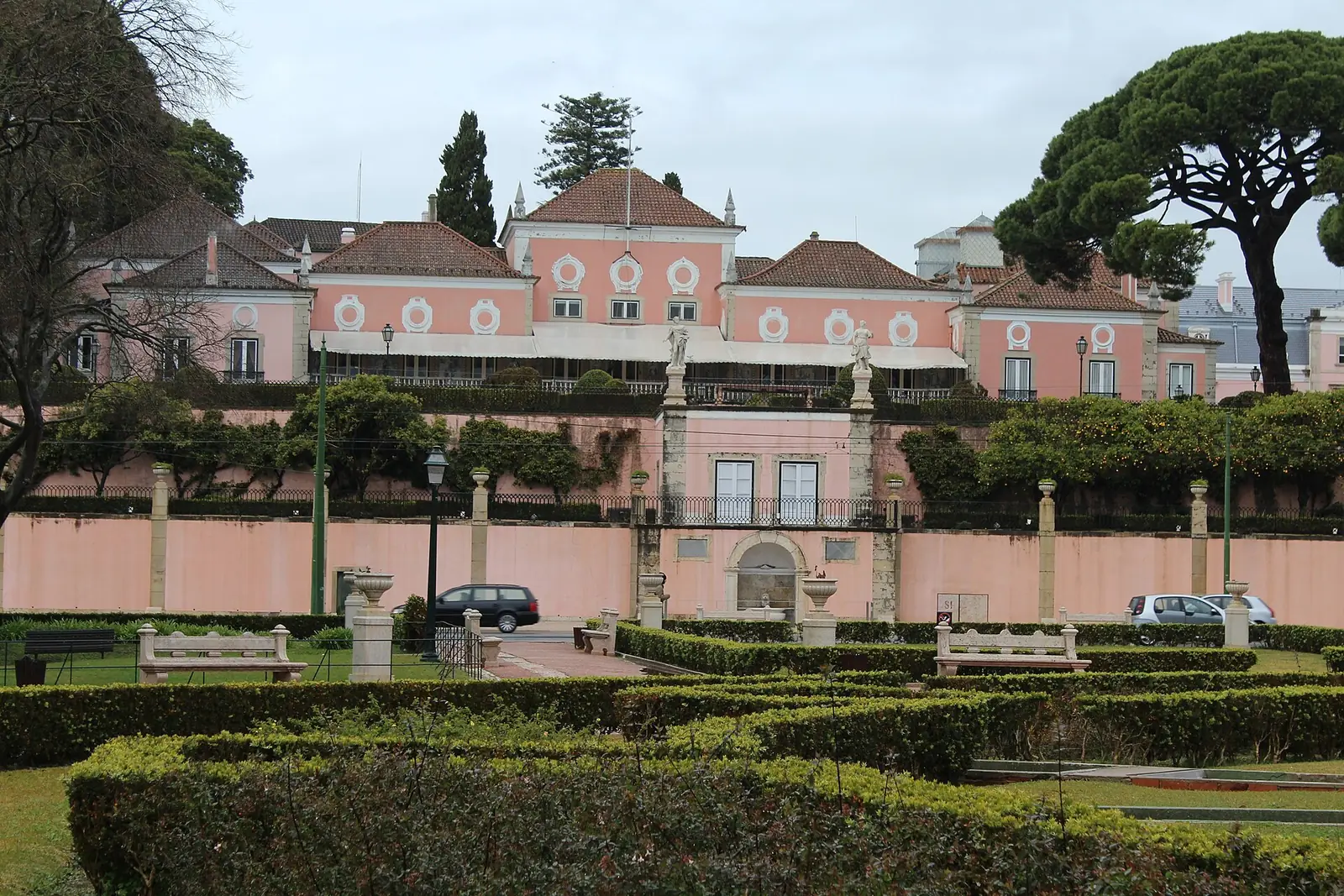
Palácio de Belém
540 m · 8 min on foot
Lanceiros 2 Barracks / Military Police Regiment (Calçada da Ajuda)
660 m · 10 min on foot


.jpg)
Dates
23 June 1940
The Exhibition of the Portuguese World opens.
2 December 1940
The exhibition closes.
January 1975
People who have arrived from the colonies demonstrate by the Jerónimos Monastery against discrimination.
2014
The renovation of the garden causes controversy over the coats of arms of the former colonies.
14 February 2023
The renovated garden reopens, with coats of arms of the district capitals in stone mosaic paving.
Notes on the sources2
- The year the garden received the floral coats of arms: RTP says “the 1960s”; the historian Márcia Chuva links the changes in the square’s design to 1961.
- The day of the demonstration by the Jerónimos Monastery: the RTP report is dated only January 1975.
Do you know more, or do you have a document? Tell us.
Sources6
- 1Ato Colonial. Museu do Aljube Resistência e Liberdade (EGEAC) — consulted on 2 October 2026
- 2Cláudia Castelo, Simulação e dissimulação do império colonial português em Belém, Lisboa (1940/2020): a secção colonial e o jardim botânico tropical. Anais do Museu Histórico Nacional (Rio de Janeiro), vol. 54, 2021 — consulted on 3 October 2026
- 3Padrão dos Descobrimentos: a obra, 1940 e 1960. Padrão dos Descobrimentos (EGEAC) — consulted on 3 October 2026
- 4Inaugurado «novo» Jardim da Praça do Império. RTP Notícias (Lusa), 2023 — consulted on 3 October 2026Publicado a 14 de fevereiro de 2023.
- 5Manifestação de refugiados do Ultramar (Informação Diária, janeiro de 1975). RTP Arquivos, 1975 — consulted on 3 October 2026
- 6Márcia Chuva, Praça do Império. Centro de Estudos Sociais da Universidade de Coimbra — projeto ECHOES (exposição Lisboa) — consulted on 3 October 2026
Coordinates: OpenStreetMap (way 664144608, Fonte Monumental, ao centro da praça), consultado a 3 de outubro de 2026.