Belém
Tropical Botanical Garden (formerly the Colonial Garden)
Created in 1906 as the Colonial Garden, in 1940 it housed the Colonial Section of the Exhibition of the Portuguese World: 138 men, women and children brought from the colonies were put on public display here for months.
History
The garden was created by a decree of 25 January 1906, under the name of Colonial Garden, to serve colonial agronomy teaching: future agronomists “who wish to serve overseas” were to see the plants of the colonies growing. In 1912 it moved here, to the former walled grounds of the Palácio de Belém.12 The Palácio dos Condes da Calheta, at the top of the garden, housed the Colonial Agricultural Museum, opened to the public in 1929.2
In 1940 the garden and the museum became the Colonial Section of the Exhibition of the Portuguese World, which opened on 27 June and was directed by Captain Henrique Galvão. Among pavilions of the colonies, “typical” streets of India and Macau and replica villages, 138 men, women and children recruited in the colonies lived in full view of the public — a “human zoo”, writes the historian Cláudia Castelo.2 The Bijagós from Guinea were put on the island in one of the lakes, “for the delight of visitors”, as the garden’s museum says today.1 Teams of scientists measured them every day, in anthropometric studies; in October the exhibition’s executive committee decided to send them back before the winter, citing health reasons.2
After the exhibition the garden and the museum stayed closed for almost eight years; in 1944 they were merged as the Colonial Agricultural Garden and Museum, which in 1951 became the Overseas (“do Ultramar”) Agricultural Garden and Museum and in 1983, after independence, the Tropical Agricultural Garden-Museum. It has been a National Monument since 2007 and part of the University of Lisbon since 2015.21 In 2021 Cláudia Castelo noted that neither the entrance nor the information panels explained the garden’s connection with the empire and the 1940 exhibition.2
From the exhibition there remain the Colonial House, with tile panels (azulejos) on colonial themes, the former Colonial Restaurant, now a tea room, the Raw Materials Pavilion and fourteen busts of African and Asian “types”, by the sculptor Manuel de Oliveira. The museum says it is giving new meaning to this heritage, in collaboration with the communities of origin.1
Where
Map showing where Tropical Botanical Garden (formerly the Colonial Garden) is.
Open on the map of Lisbon Walk there
Nearby
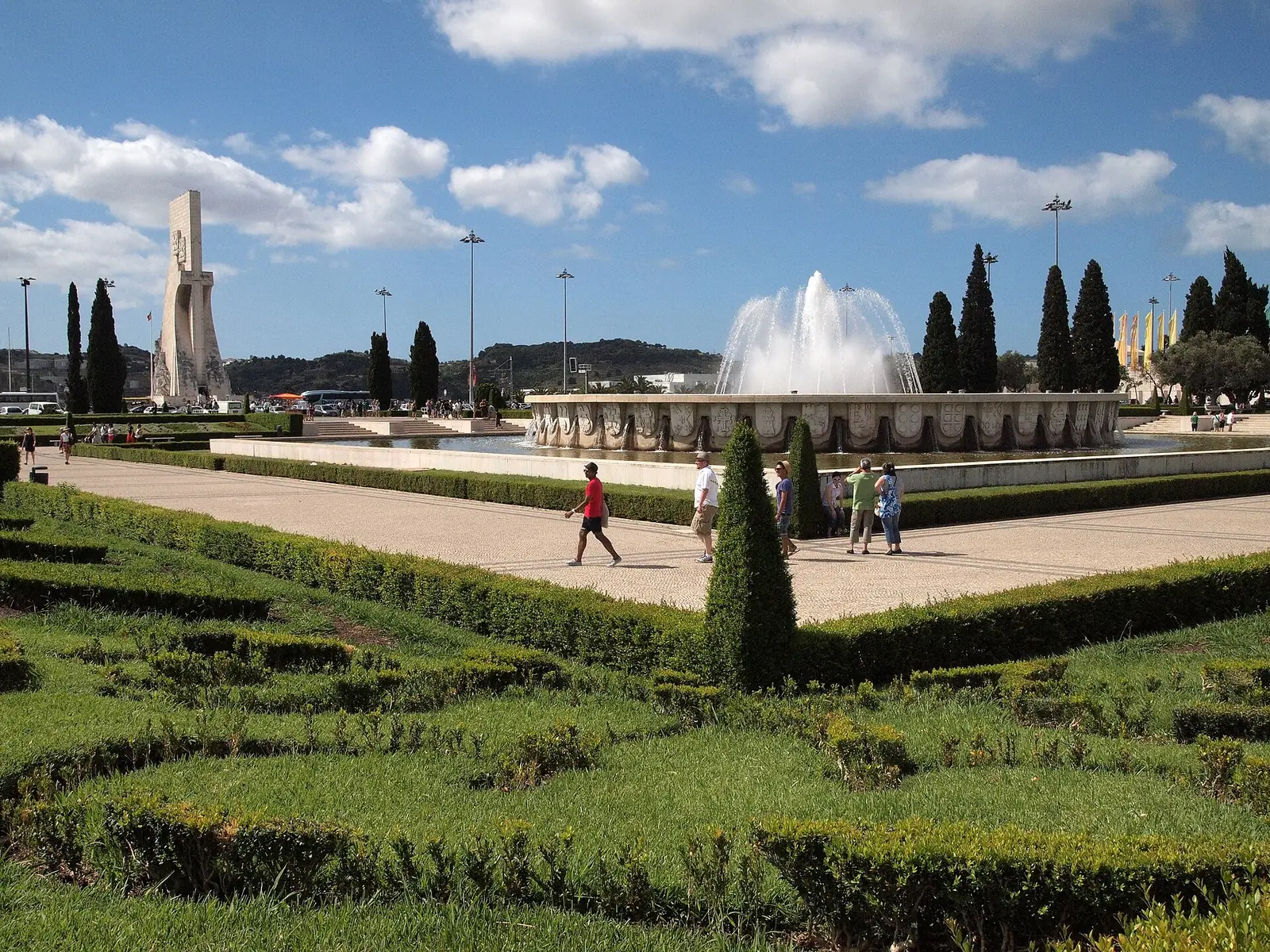
Praça do Império
300 m · 4 min on foot
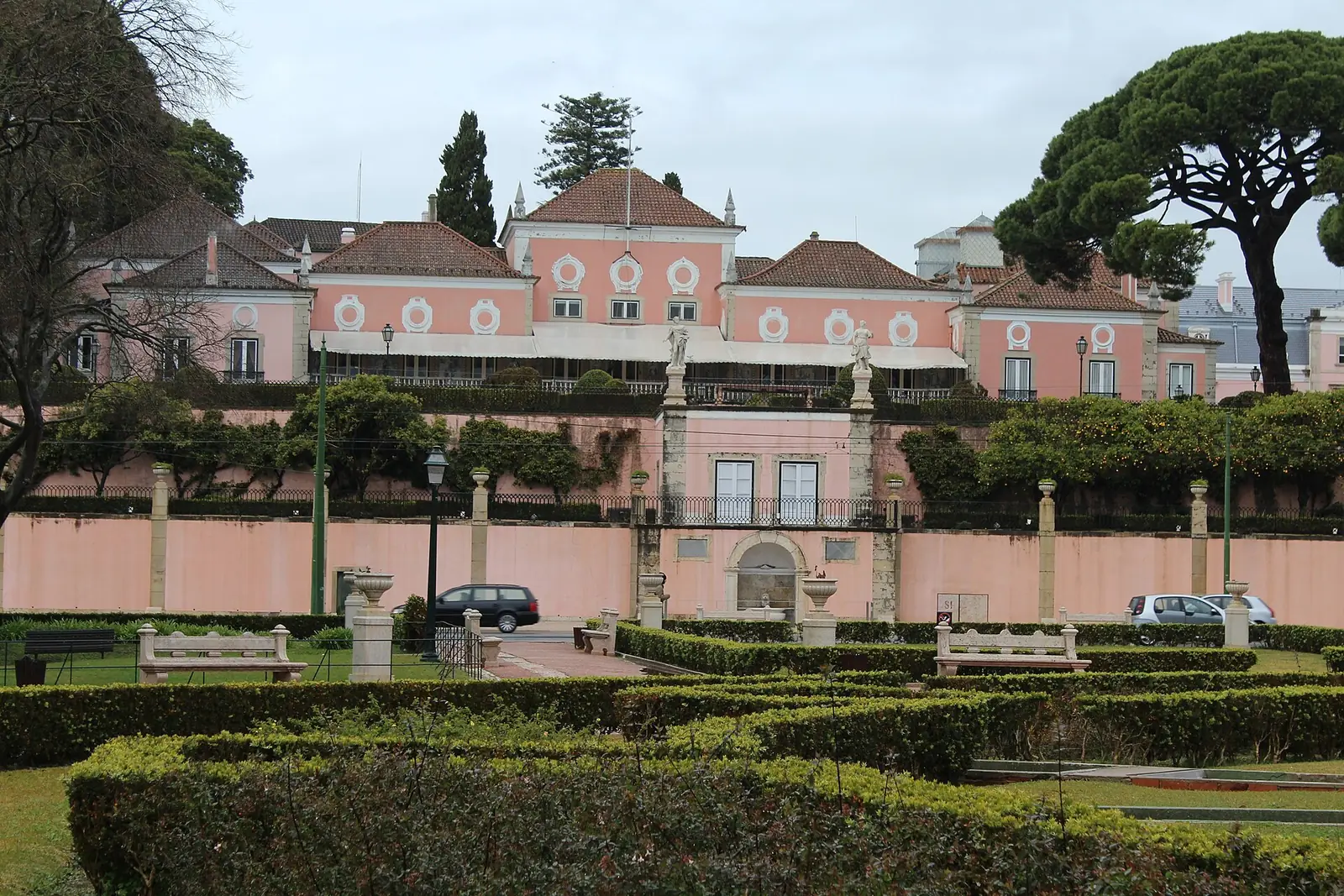
Palácio de Belém
300 m · 4 min on foot
Lanceiros 2 Barracks / Military Police Regiment (Calçada da Ajuda)
380 m · 6 min on foot
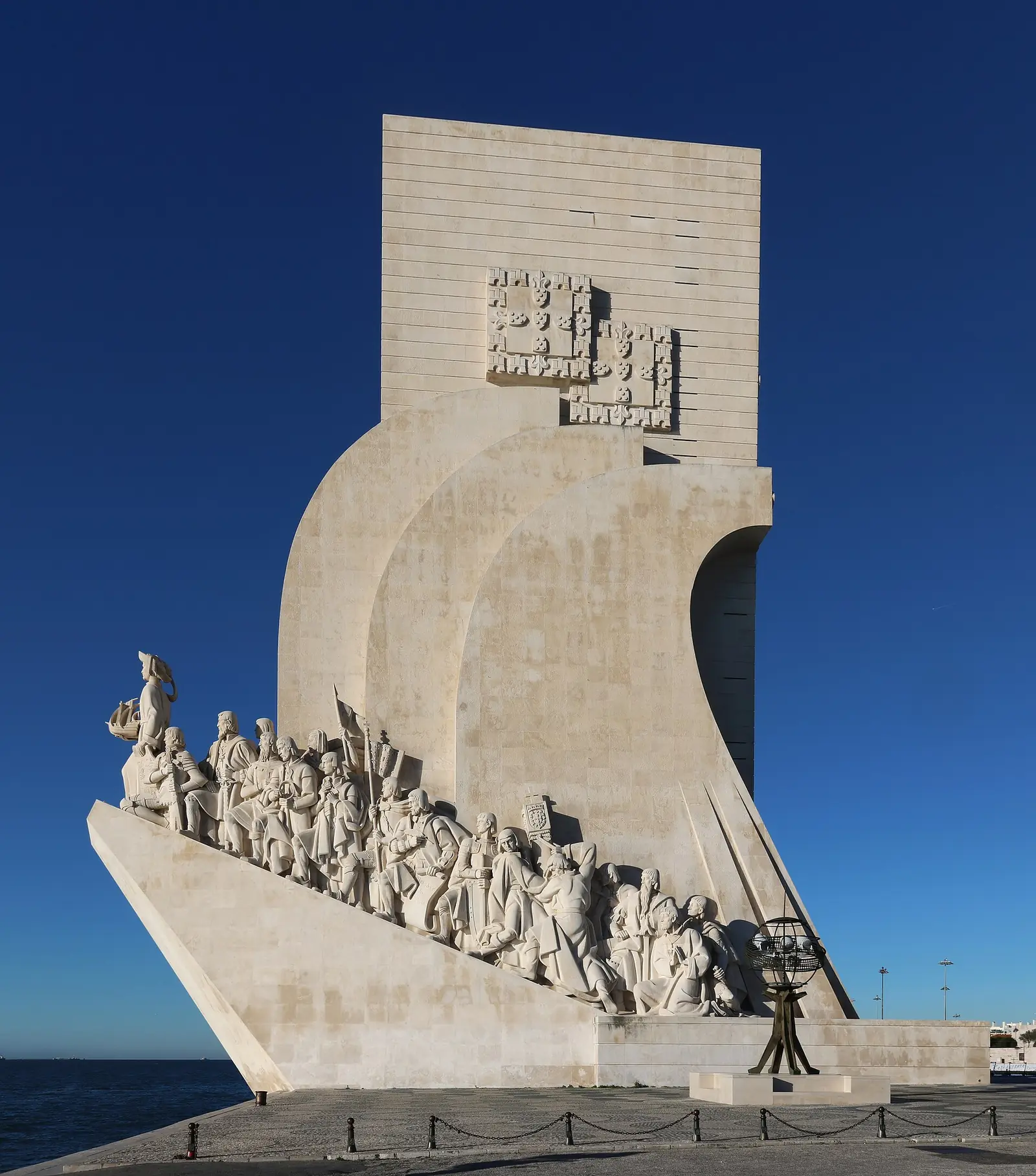
Padrão dos Descobrimentos (Monument to the Discoveries)
530 m · 8 min on foot


_-_Belem_District_-_Lisbon,_Portugal_(4633075739).jpg)
Dates
25 January 1906
A decree creates the Colonial Garden.
6 June 1912
The Colonial Garden moves into the former walled grounds of the Palácio de Belém.
27 June 1940
The Colonial Section of the Exhibition of the Portuguese World opens.
October 1940
The executive committee decides to send home the people brought from the colonies.
1944
Garden and museum are merged as the Colonial Agricultural Garden and Museum.
2007
Listed as a National Monument.
2015
It passes to the University of Lisbon.
23 Jun 1940
The Exhibition of the Portuguese World opens in Belém
Notes on the sources2
- The names of the people put on display in 1940, which Cláudia Castelo says are in the Overseas Historical Archive: none of the sources consulted publishes them.
- How many of the 138 people on display were women and how many were children: the sources consulted do not say.
Do you know more, or do you have a document? Tell us.
Sources3
- 1Jardim Botânico Tropical. Museu Nacional de História Natural e da Ciência — Universidade de Lisboa — consulted on 3 October 2026
- 2Cláudia Castelo, Simulação e dissimulação do império colonial português em Belém, Lisboa (1940/2020): a secção colonial e o jardim botânico tropical. Anais do Museu Histórico Nacional (Rio de Janeiro), vol. 54, 2021 — consulted on 3 October 2026
- 3Horários e preços. Museu Nacional de História Natural e da Ciência — Universidade de Lisboa — consulted on 3 October 2026
Coordinates: OpenStreetMap (nó 1206842885, entrada principal), consultado a 3 de outubro de 2026.