Belém
Cordoaria Nacional (Colonial Hospital and School of Tropical Medicine)
In 1902 the Colonial Hospital and the School of Tropical Medicine were set up in the former Royal Ropeworks: the medicine the empire needed, to treat those who came back from Africa ill and to train the doctors for the colonies.
History
On 24 April 1902, a charter of law (carta de lei) created, at the same time, the School of Tropical Medicine and the Lisbon Colonial Hospital. Both were housed in this building, the former Royal Ropeworks (Real Fábrica da Cordoaria): the school in the eastern wing, the hospital in another part of the building, under joint management — the wards served the teaching, and the school’s laboratories supported the clinical work.12
The hospital, which belonged to the Ministry of the Colonies, treated civil servants and military personnel “who were returning from overseas in deplorable physical condition with infectious diseases”.2 The school, the fourth school of tropical medicine created in the world, organised scientific missions to the colonies and, with the hospital, taught the doctors who were going to serve in the “Ultramar” (overseas); its museum brought together material “collected in the Colonial Hospital and in the Hospitals of the overseas provinces”.324 In 1935 it was renamed the Institute of Tropical Medicine.4
Between 1943 and 1966, some women published research in the Institute’s Anais (Annals) — Gabriela Lopes Pinto, Palmira Coelho Rombert, Maria Margarida Gonçalves Pequito, Maria de Matos Faia — nearly always as co-authors with male colleagues; the institution’s official history barely mentions them. One of these studies, signed by Gabriel Jorge Janz and Gabriela Lopes Pinto and published in 1953, analysed the breast milk of women in São Tomé.5
In 1925 the hospital began to move to buildings of its own, further along Rua da Junqueira, with the Macau Pavilion, so called because it was built at Macau’s expense; it became the Overseas Hospital (Hospital do Ultramar) and since 1974 has been called Egas Moniz Hospital. The Institute only had a home of its own in 1958, also in Junqueira.12 Since 1997–98, the Cordoaria building has housed the Navy Historical Archive.7
Where
Map showing where Cordoaria Nacional (Colonial Hospital and School of Tropical Medicine) is.
Open on the map of Lisbon Walk there
Nearby
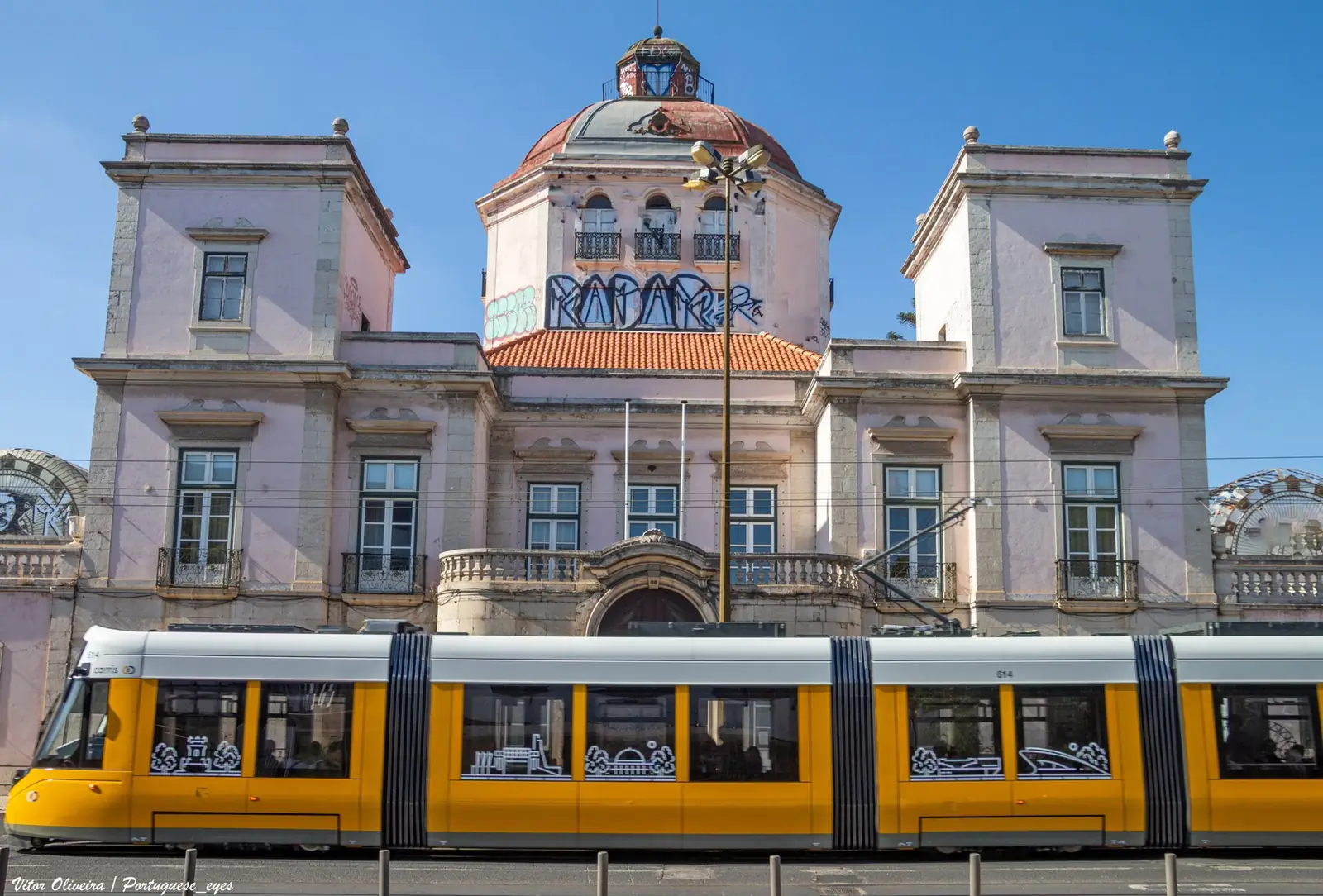
Palácio Burnay (Higher Institute of Social Sciences and Overseas Policy)
610 m · 9 min on foot
Lanceiros 2 Barracks / Military Police Regiment (Calçada da Ajuda)
780 m · 10 min on foot
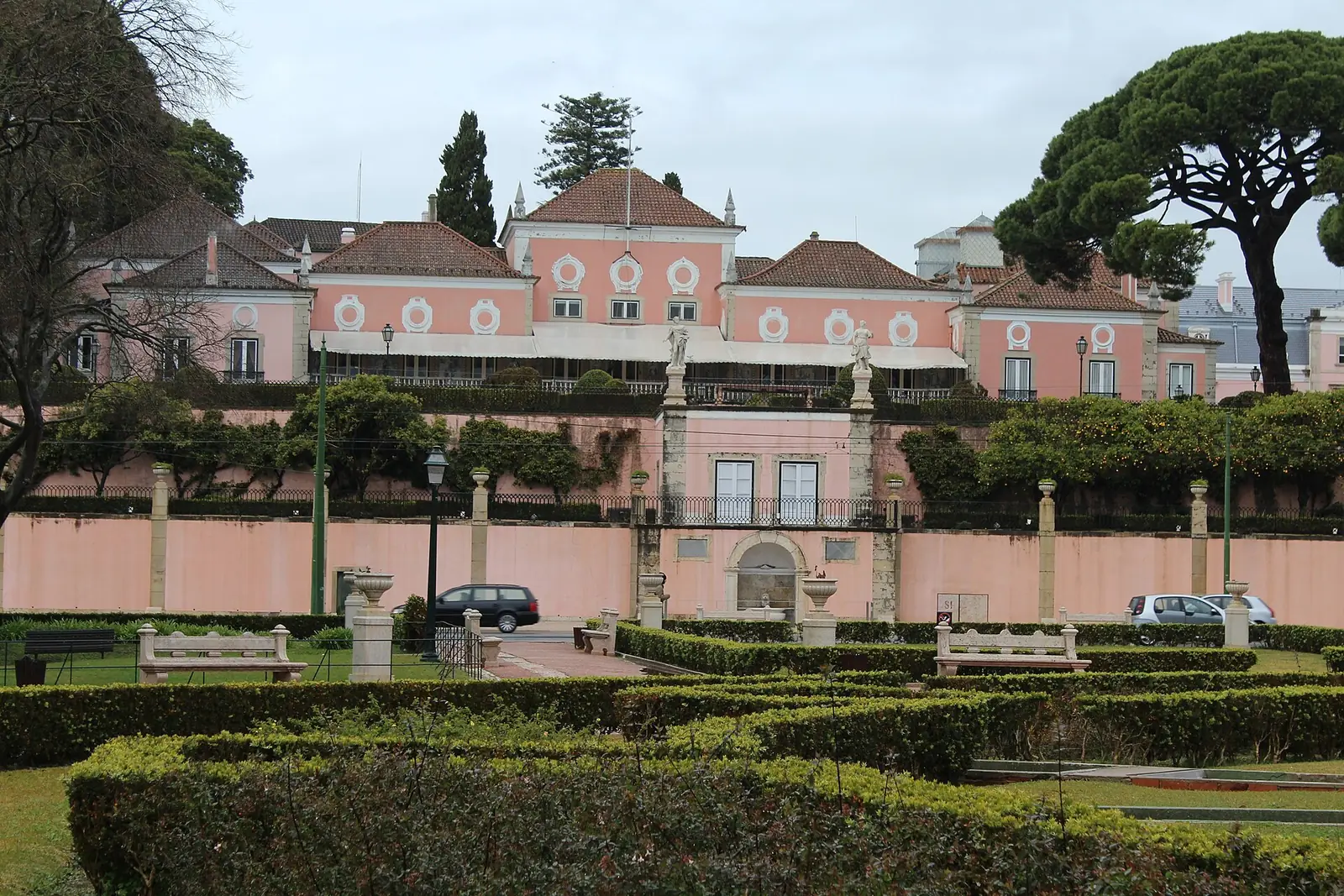
Palácio de Belém
820 m · 10 min on foot
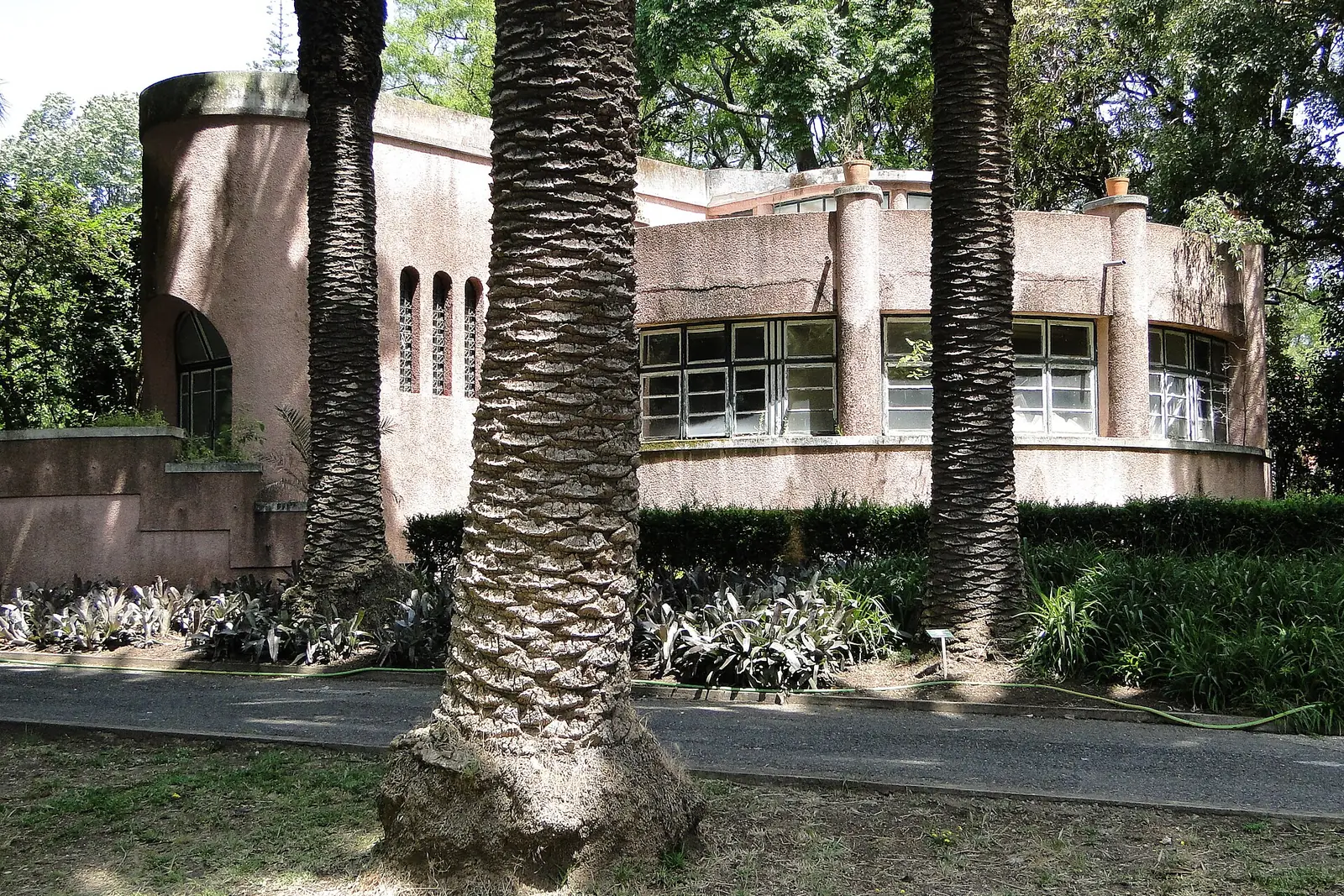
Tropical Botanical Garden (formerly the Colonial Garden)
1.1 km · 15 min on foot


Dates
24 April 1902
A charter of law creates the School of Tropical Medicine and the Colonial Hospital, housed in the Cordoaria.
1925
The hospital begins to move to buildings of its own, with the Macau Pavilion.
1935
The school is renamed the Institute of Tropical Medicine.
1958
The Institute moves to its new building on Rua da Junqueira.
Notes on the sources2
- Which part of the building the Colonial Hospital occupied: the sources say only that it took up “a part of the Cordoaria”.
- Where the Institute’s women researchers worked before and after the 1958 move: João Lourenço Monteiro’s study does not distinguish between the buildings.
Do you know more, or do you have a document? Tell us.
Sources7
- 1Aulas na Escola de Medicina Tropical. Fotografias (peça do mês). Instituto de Higiene e Medicina Tropical — Universidade NOVA de Lisboa, 2021 — consulted on 3 October 2026
- 2História do Hospital de Egas Moniz. Centro Hospitalar de Lisboa Ocidental (SNS) — consulted on 3 October 2026
- 3Memórias do IHMT revisitadas nas coleções do Museu (1902-2022): 120 peças. Instituto de Higiene e Medicina Tropical — Universidade NOVA de Lisboa, 2022 — consulted on 3 October 2026
- 4Instituto de Higiene e Medicina Tropical (roteiro cultural). NOVA Cultura — Universidade NOVA de Lisboa — consulted on 3 October 2026
- 5João Lourenço Monteiro, Mulheres visíveis: uma perspectiva diferente na história do Instituto de Medicina Tropical em Portugal, 1943-1966. História, Ciências, Saúde – Manguinhos, vol. 28, n.º 1, 2021 — consulted on 3 October 2026
- 6Nominatim – OpenStreetMap (geocodificação). OpenStreetMap contributors (ODbL) — consulted on 2 October 2026
- 7Arquivo Histórico. Direção Cultural da Marinha — consulted on 4 October 2026O arquivo passou em 1997/98 do Quartel de Marinheiros, em Alcântara, para o edifício da antiga Fábrica Nacional de Cordoaria, na Rua da Junqueira.
Coordinates: OpenStreetMap (relação 3258277), consultado a 3 de outubro de 2026.