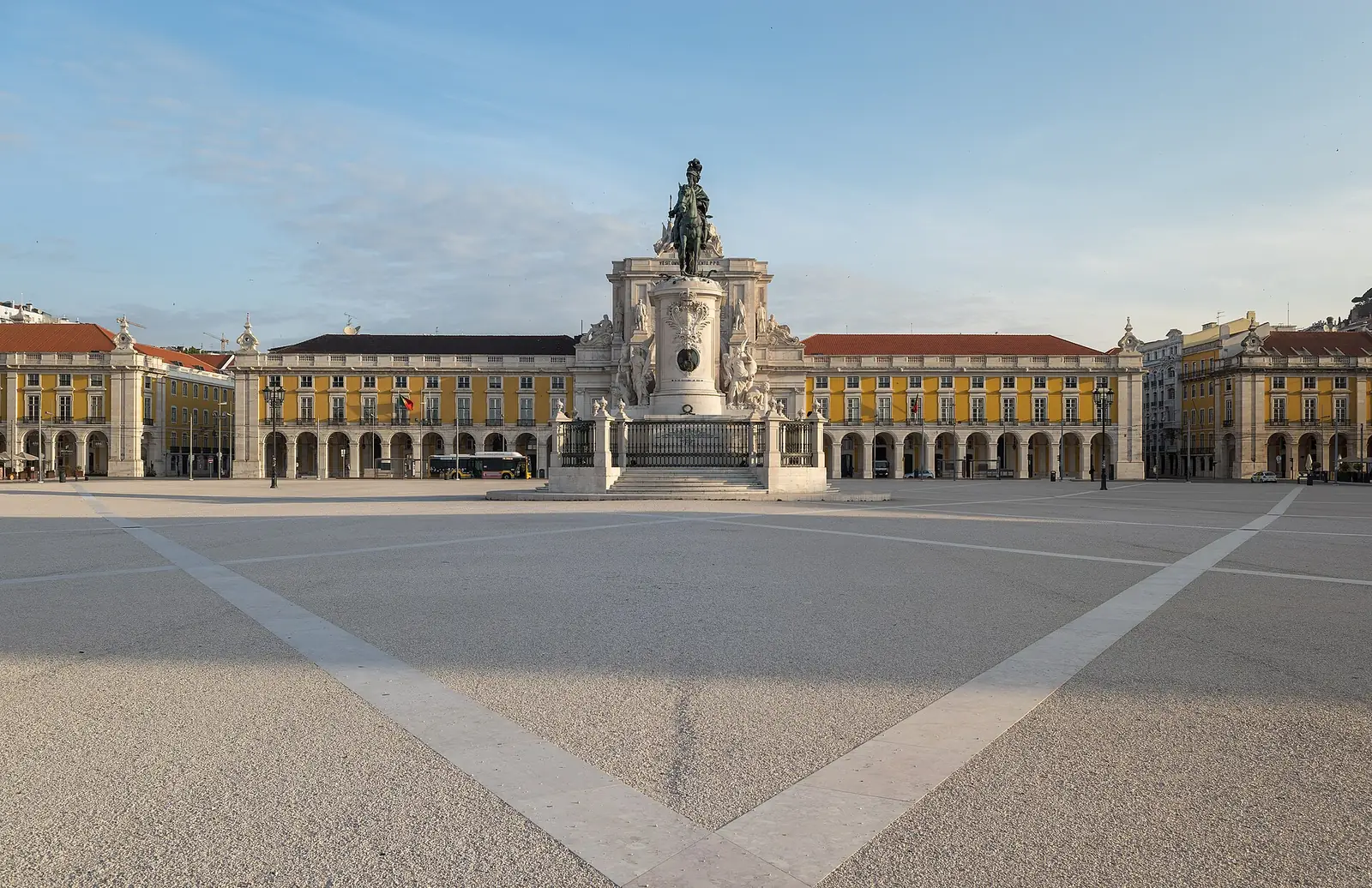
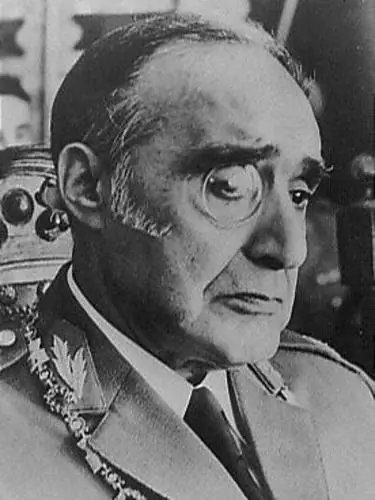
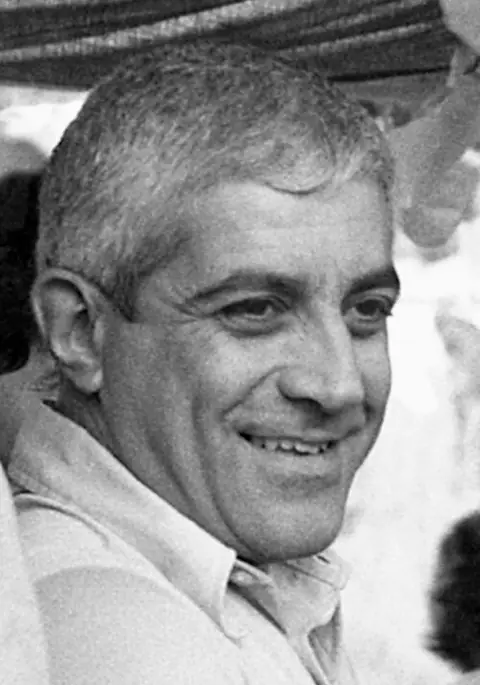
A 29-year-old captain, he commanded the Cavalry Practical School column that occupied the Terreiro do Paço, faced down the regime’s forces without firing a shot and besieged the Carmo Barracks until he obtained Marcelo Caetano’s surrender.
RevolutionCavalry captainmember of the Coordinating Committee of the Captains’ Movementcommander of the Cavalry Practical School column on 25 April 1974
He was born in Castelo de Vide on 1 July 1944, the son of a railwayman; his father’s job took him, as a child and a young man, from Coruche to Tomar, Pombal and Leiria. He entered the Military Academy in October 1964 and, once he had finished the course, was posted for his training period to the Cavalry Practical School (EPC), in Santarém, as an officer cadet, on 1 February 1967 (the 25 April Documentation Centre says 1966, but this entry follows the Commemorative Commission, which gives the dates of his career day by day), and he fought in Mozambique and Guinea.12 At the Óbidos meeting of the Captains’ Movement, on 1 December 1973, he joined the Coordinating Committee as one of the representatives of the Cavalry.4 On 17 April 1974, Otelo Saraiva de Carvalho gave him the EPC’s operational mission, and the school’s officers chose him, at 29, to command the column that was to march on Lisbon.1
The column left Santarém at 03:30 on 25 April and occupied the Terreiro do Paço.5 On Avenida da Ribeira das Naus, Maia walked with a white handkerchief towards the forces of Brigadier Junqueira dos Reis. The brigadier ordered them to open fire on him, but Officer Cadet Fernando Sottomayor and the tank gunners refused, and the troops went over to the MFA’s side. “That was where 25 April was won”, Maia would say.3
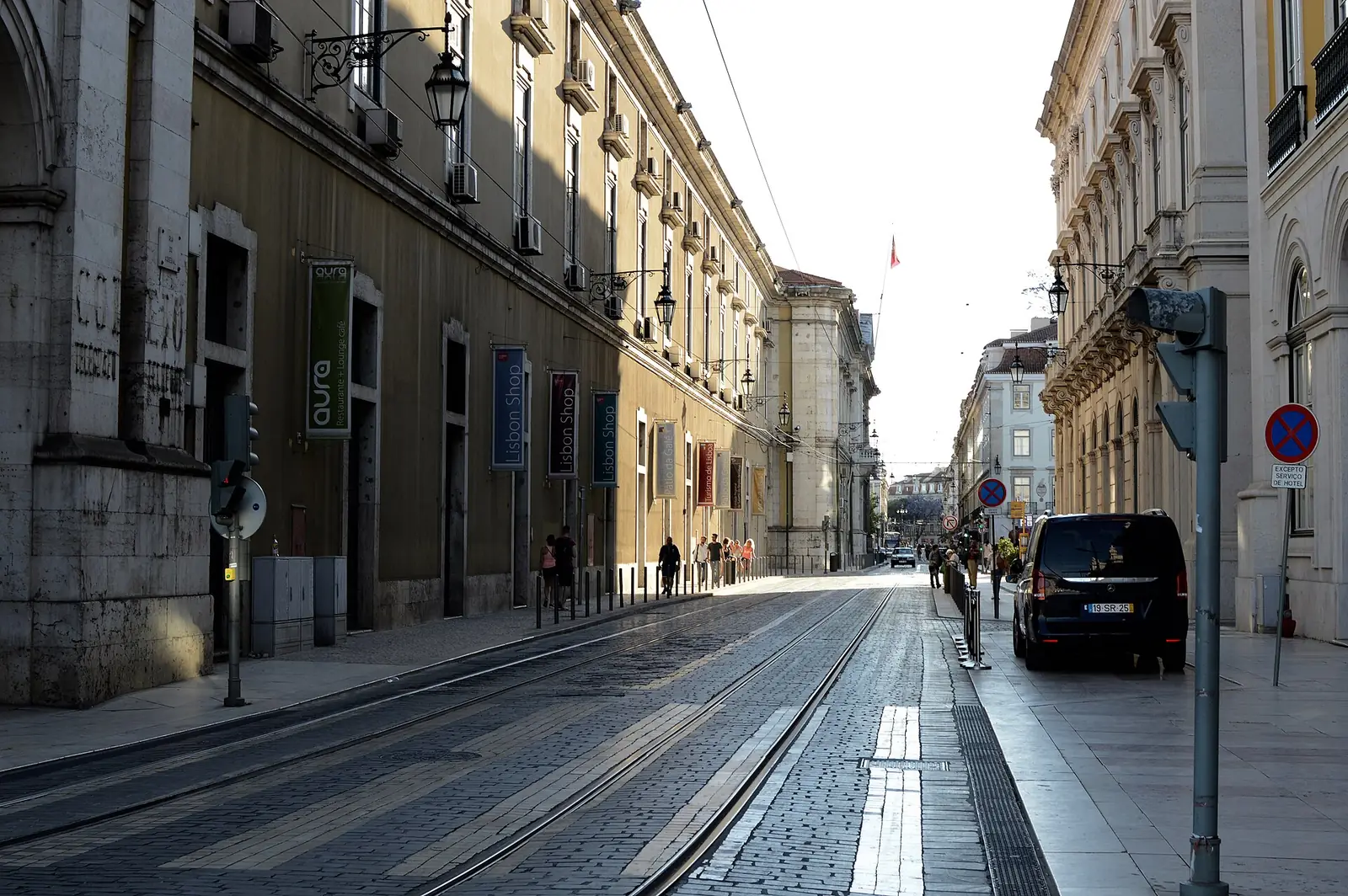
At 12:30, amid a crowd shouting “Victory!” (Vitória!), the column surrounded the Carmo Barracks, where Marcelo Caetano had taken refuge. Maia negotiated for hours. At around 17:00 he was taken to Caetano, who said he was willing to surrender and asked for power to be handed over to a general officer; Maia then accompanied General António de Spínola to him. At 18:30 he had the Chaimite armoured car “Bula” reversed through the barracks’ main gate, so that Caetano and his ministers could leave safely.31
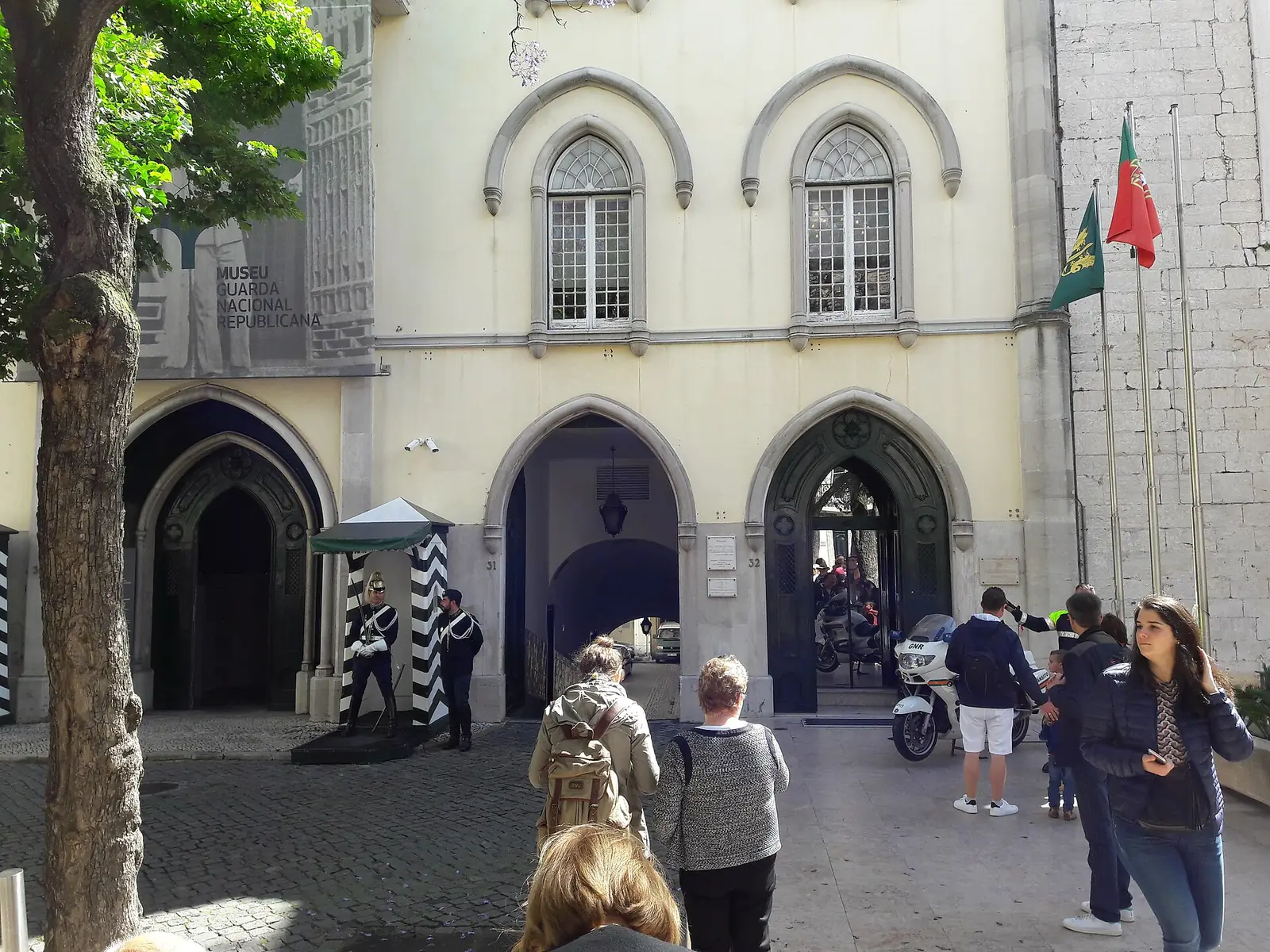
He did not accept political posts after 25 April.2 On 11 March 1975, his trip to Tancos with the EPC’s second-in-command helped to defeat the coup attempt in which Spínola had been involved. On 25 November he kept his forces in reserve, in the eastern part of Lisbon.1
In November 1976 he was sidelined to desk duties in Lisbon and, in March 1977, sent to the Azores. He graduated in Political and Social Sciences and in Anthropological and Ethnological Sciences.1 He died of cancer in Lisbon, at the Military Hospital, on 3 April 1992 — the news was on that day’s Telejornal — and is buried in Castelo de Vide.189
Lisbon City Council posthumously awarded Salgueiro Maia, “the face of 25 April 1974”, the Key of Honour of the City, the municipality’s highest distinction, which was presented to Natércia Salgueiro Maia.
Original page Licença padrão do YouTube — embed permitido pelo canal oficial da Câmara Municipal de Lisboa
Câmara Municipal de Lisboa, on YouTube. The player only connects to that site when you press “Watch”.
In Largo do Carmo, during the siege of the barracks, Salgueiro Maia speaks into the microphone of the reporter Adelino Gomes: the siege is under way, the Infantry 1 column, from Amadora, has joined the Movement, and the difference in forces is so great that he expects no reaction from the National Republican Guard (GNR). The sound of the report runs over photographs by Alfredo Cunha, Álvaro Tavares and Eduardo Baião, in a montage published by the 25 April Association in 2011.
Original page Licença padrão do YouTube — embed permitido pelo canal oficial da Associação 25 de Abril (fotografias de Alfredo Cunha, Álvaro Tavares e Eduardo Baião, segundo a descrição do vídeo)
Associação 25 de Abril, on YouTube. The player only connects to that site when you press “Watch”.
Colonel Rodrigo Sousa e Castro talks about Salgueiro Maia’s route “from Terreiro do Paço to Largo do Carmo” and about the PIDE/DGS, from the taking of its headquarters to the abolition of the political police. It is the second session of the “Roteiro Didáctico e Pedagógico” (Teaching Itinerary), a course by the 25 April Association published on the association’s channel in 2021.
Original page Licença padrão do YouTube — embed permitido pelo canal oficial da Associação 25 de Abril
Associação 25 de Abril, on YouTube. The player only connects to that site when you press “Watch”.
An excerpt from the journalist Adelino Gomes’s report on 25 April 1974 about Salgueiro Maia’s column on its way to the Carmo barracks along Rua Augusta and through the Rossio, where the soldiers were beginning to be backed by the population. Published by the 25 April Association with footage provided by the RTP Archives.
Original page Licença padrão do YouTube — embed permitido pelo canal oficial da Associação 25 de Abril (imagens cedidas pelos Arquivos da RTP, segundo a descrição do vídeo)
Associação 25 de Abril, on YouTube. The player only connects to that site when you press “Watch”.
In other archives
These can only be viewed on each archive’s own website.
8Morte de Salgueiro Maia. e-cultura (Centro Nacional de Cultura) — consulted on 4 October 2026«Castelo de Vide, 1 de julho de 1944 – Lisboa, 3 de abril de 1992».
9Morte de Salgueiro Maia (Telejornal). RTP Arquivos, 1992 — consulted on 4 October 2026Notícia da morte emitida no Telejornal de 3 de abril de 1992.