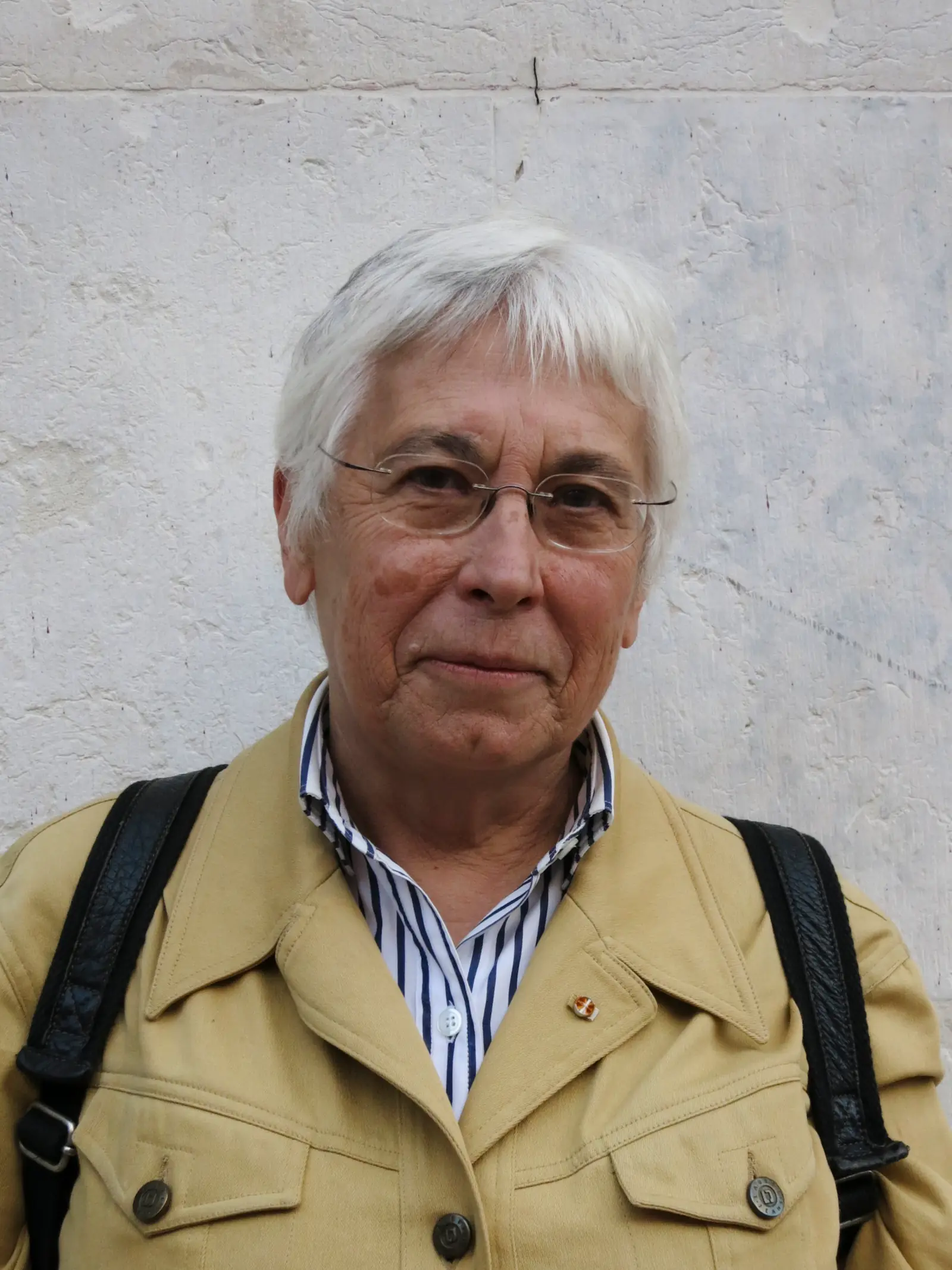
A law student and MRPP activist, she was arrested by the PIDE on 22 October 1973, interrogated at the headquarters on Rua António Maria Cardoso and tortured in Caxias. By then a public prosecutor, she went back to the door of the building in 2005 to ask for it to be preserved.
She was born in 1951 and studied at the Lisbon Faculty of Law.4 An MRPP activist, she belonged to a group of anti-fascist students who met, handed out leaflets, demonstrated against the colonial war and wrote their positions on the walls. “We had no means of any kind, no pistols, no bombs”, she recalled. At 19 she went underground: an arrest warrant accused her of “very serious crimes against the security of the State”.3 In February 1972 she was suspended from the faculty “for disturbances”, with José António Ribeiro Santos and José Galamba de Oliveira.6
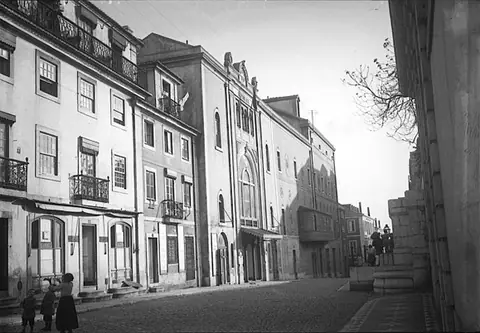
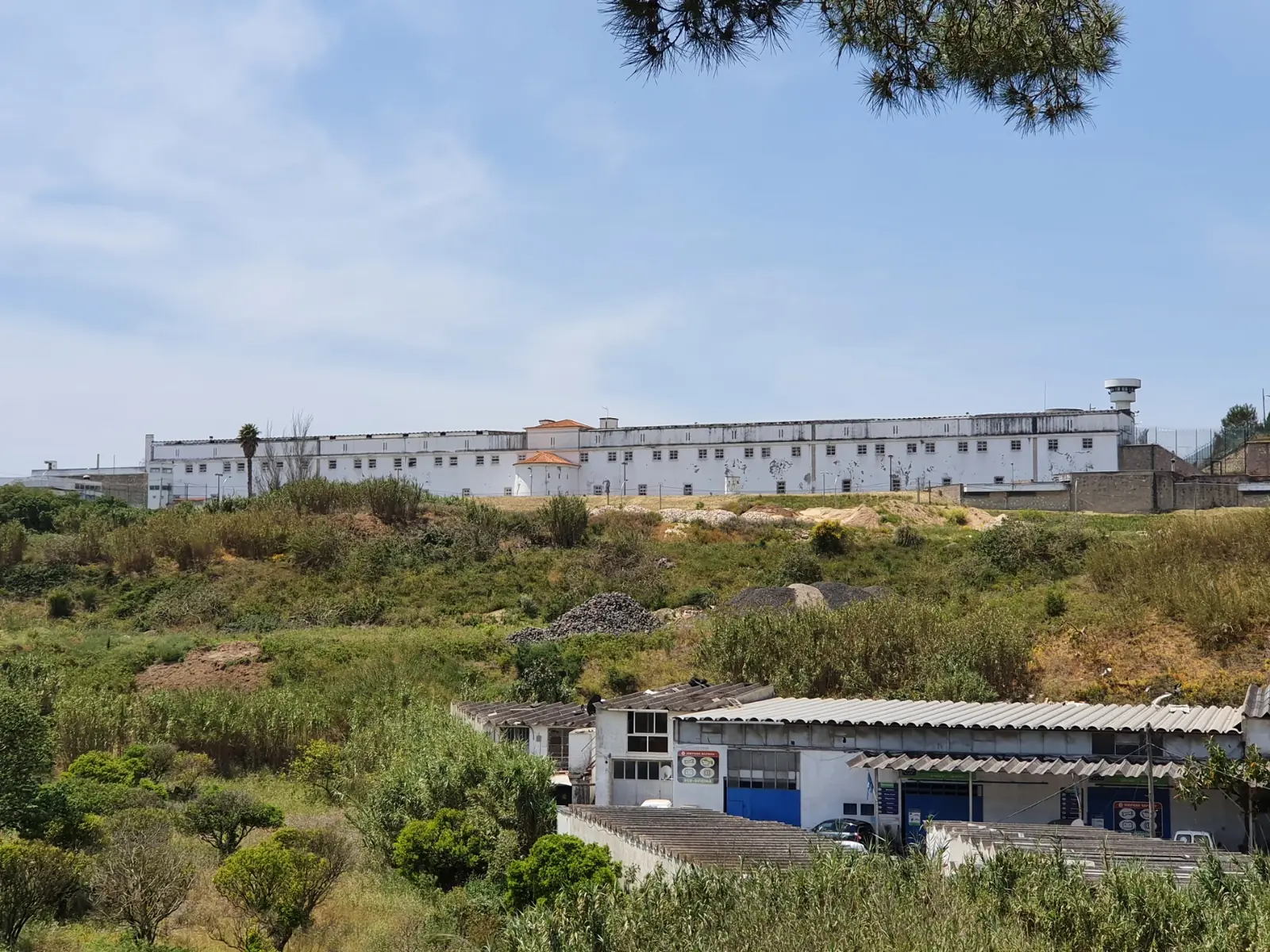
She was arrested on 22 October 1973 — “a beautiful morning”, she recalled — when she was just over 20.73PIDE agents came for her at the house where she was sheltering, near the Feira da Ladra, and took her to the political police headquarters on Rua António Maria Cardoso. On the interrogation floor — the “investigation phase” (fase de instrução), in the police’s euphemism — she was slapped several times and humiliated. In Caxias Fort, the “investigation” went on with five days of sleep torture and beatings with a hippopotamus-hide whip (cavalo-marinho).3
She joined the Public Prosecutor’s Office as a magistrate in 1979.4 In March 2005, on one of the guided visits that the Biblioteca-Museu República e Resistência (Republic and Resistance Library-Museum) organised at the door of the former PIDE building, she recalled her arrest there and argued that the place should be preserved: “This is not a folklore memory. A former political prisoner is not a Martian.”3
Quanto tempo esteve presa: o Jornal de Negócios diz que saiu sob caução pouco antes do 25 de Abril, sem dar a data.
O andar dos interrogatórios: «o quarto andar», no relato ao Jornal de Notícias; o terceiro piso, segundo as outras fontes sobre a sede da PIDE — talvez uma diferença na maneira de contar os pisos.
Do you know more, or do you have a document? Tell us.