A communist activist arrested in 1965 and in 1968, she suffered at the PIDE headquarters some of the cruellest and most humiliating torture methods used on a woman, and never talked. Decades later, she spoke about it publicly to denounce the political police.
Repressionfactory workerPCP activist and underground full-time party workerpolitical prisonermember of the National Commission for Aid to Political Prisoners
She was born in São Pedro do Sul in 1936 and at the age of three moved with her family to Barreiro, to a “wooden shack” in Bairro das Palmeiras. She began her activism in the MUD Juvenil, brought in by her brother, Alfredo Matos; in the 1950s she met Domingos Abrantes, her future partner, and joined the PCP.1 They lived underground for years, as full-time party workers.12
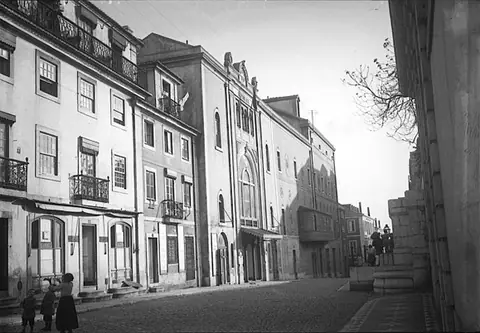
At around four in the morning on 21 April 1965, a PIDE squad accompanied by GNR guards broke down the door of the house where they lived, in Montijo. Conceição had time to burn the party papers. She was held at home until nightfall, while the agents waited for Domingos, who was also arrested, and was then taken to the PIDE headquarters on Rua António Maria Cardoso. There she was beaten for several days, stripped, forced to urinate and defecate in the interrogation room and to clean the floor with the clothes she was wearing. Her PIDE file records only that she “was taken into the Caxias Prisoners’ Depot”: not a word about the torture.1
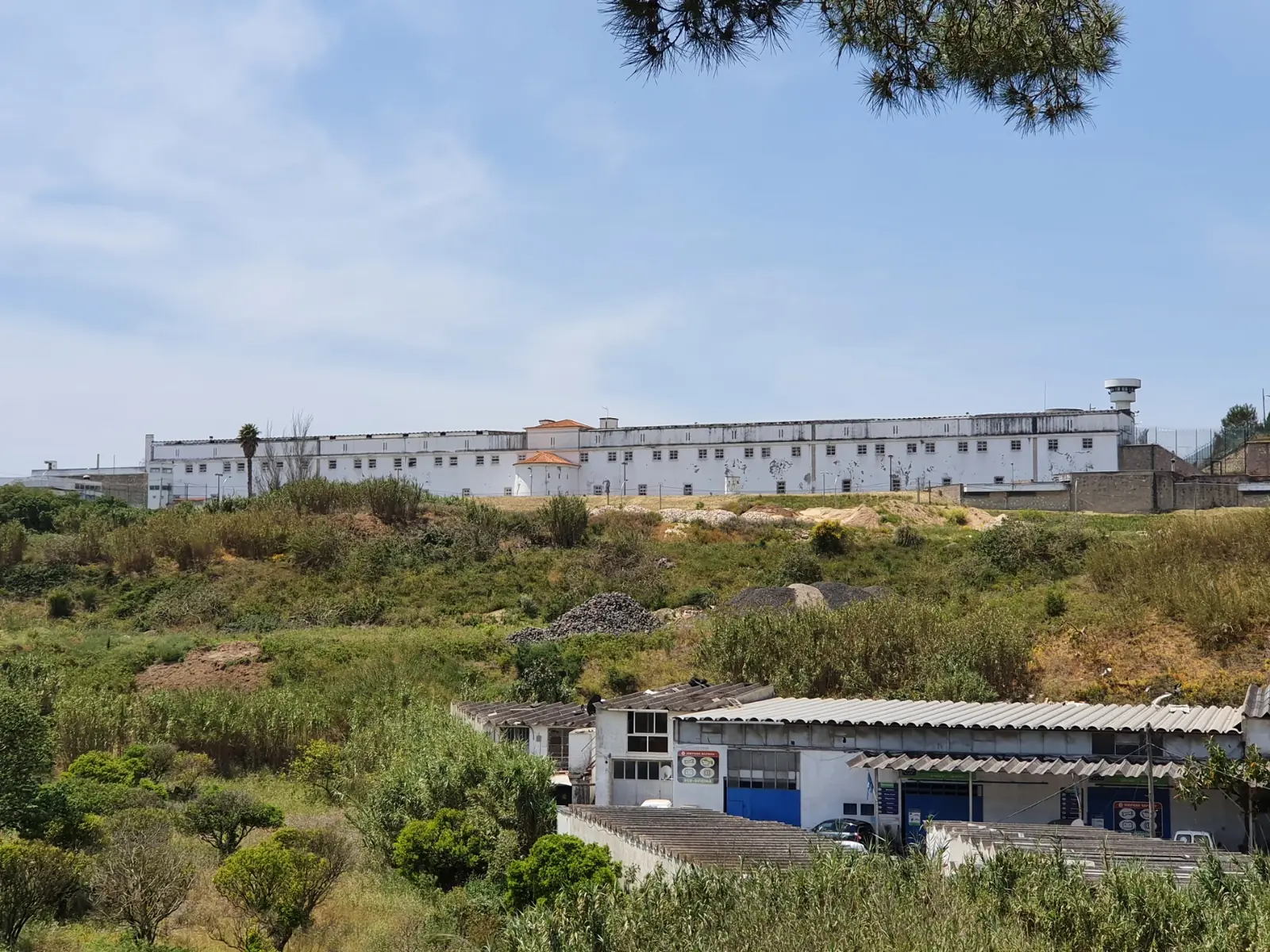
In Caxias she learnt to decode the taps on the wall with which prisoners in neighbouring cells communicated. When they asked her whether she had talked and she answered no, the reply came from the other side: “Courage today, hugs tomorrow” (Coragem hoje, abraços amanhã). They showed her a letter, which they said Domingos had written, asking her to talk; she never believed it. “Anyone who looks at that file knows I never talked to the police”, she said later.1 She spent a year and a half in prison.1 Released in 1966, she joined the National Commission for Aid to Political Prisoners; in September 1968 she was arrested again and spent two months and a few days in total isolation in Caxias.21
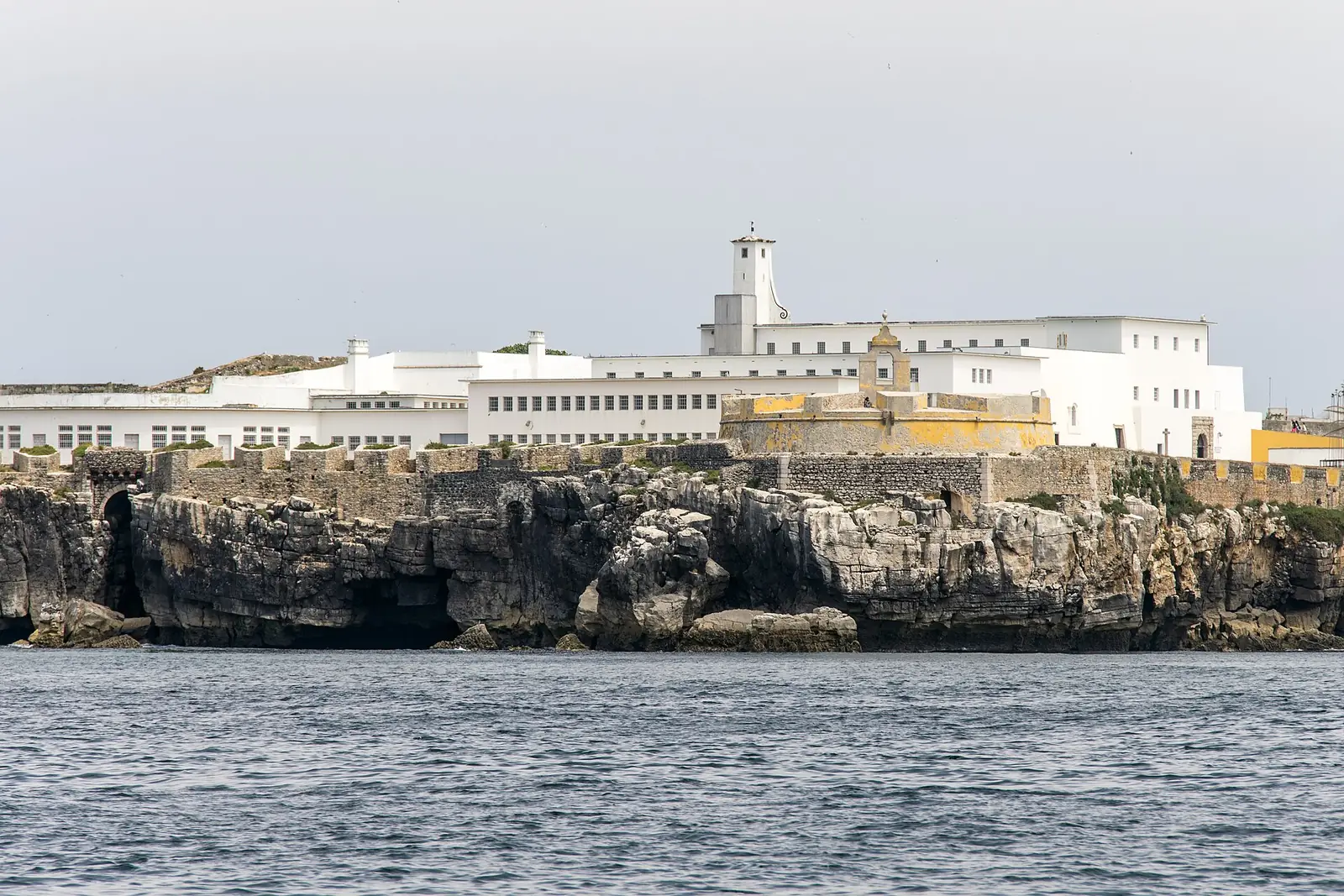
In 1969 she officially married Domingos Abrantes in Peniche prison. He was released in March 1973 and, on 6 February 1974, they went back underground and left for Paris,5 to work in the party’s organisation among emigrants. They returned on 30 April 1974, alongside Álvaro Cunhal, on the “Freedom plane”, which landed at Lisbon airport.24
In 1977 she was a prosecution witness at the trials of agent Madalena Oliveira and inspector Tinoco, of the PIDE.4 Retired by then as a full-time PCP worker, almost four decades after her arrest she agreed to talk to the media about the days of torture — not for personal reasons, but because she thought it important to denounce the regime’s political police.1
A documentary edited by Sofia Gomes for the exhibition “Women and Resistance – New Portuguese Letters and other struggles” (“Mulheres e Resistência – Novas Cartas Portuguesas e outras lutas”), with excerpts from the testimonies the Aljube Museum has been recording since 2015: sixteen women talk about resistance to the dictatorship and the struggle for women’s rights. This version has Portuguese Sign Language (LGP) interpretation; the version without LGP is on the same channel (XmUbNbnHgKg, 2022).
Original page Licença padrão do YouTube — embed permitido pelo canal oficial do Museu do Aljube
Museu do Aljube Resistência e Liberdade, on YouTube. The player only connects to that site when you press “Watch”.
Conceição Matos and Domingos Abrantes tell together, in a testimony recorded by the museum on 7 October 2015, of life underground, imprisonment and torture. The museum’s keywords include the Aljube prison, Caxias, the PIDE interrogations and the escape from Caxias.
Original page Licença padrão do YouTube — embed permitido pelo canal oficial do Museu do Aljube
Museu do Aljube Resistência e Liberdade, on YouTube. The player only connects to that site when you press “Watch”.
In other archives
These can only be viewed on each archive’s own website.
When her second imprisonment, from September 1968, ended: Memória Comum speaks of two months and a few days in isolation in Caxias, and the Lisbon PCP (2024) of “more than two months” in total isolation; Wikipedia says she was only released in mid-1969.
The day and month of birth: the sources give only the year, 1936.
Do you know more, or do you have a document? Tell us.
4Conceição Matos. Wikipédia (português) — consulted on 2 October 2026
5Anabela Mota Ribeiro, Conceição Matos e Domingos Abrantes (entrevista). Público (2014), republicada em anabelamotaribeiro.pt, 2014 — consulted on 4 October 2026Domingos Abrantes — «Fomos pela segunda vez para a clandestinidade no dia 6 de Fevereiro de 1974. À boca do 25 de Abril.»
6Conceição Matos distinguida com o Prémio Municipal Beatriz Ângelo 2024. PCP – Organização Regional de Lisboa, 2024 — consulted on 4 October 2026Volta a ser presa em setembro de 1968, em Caxias, «onde ficou em total isolamento durante mais de dois meses»; em 1973 regressa ao trabalho clandestino, «para fora do país».