Women of the resistance
Madalena Barbosa
1942–2008
Maria Madalena Freire Avelar Barbosa
One of the founders of the Women’s Liberation Movement, in May 1974. She fought for divorce and for the decriminalisation of abortion and worked at the Commission on the Status of Women, whose library now bears her name.
- Born
- 1942, Faro
- Died
- 21 February 2008, Lisboa
Biography
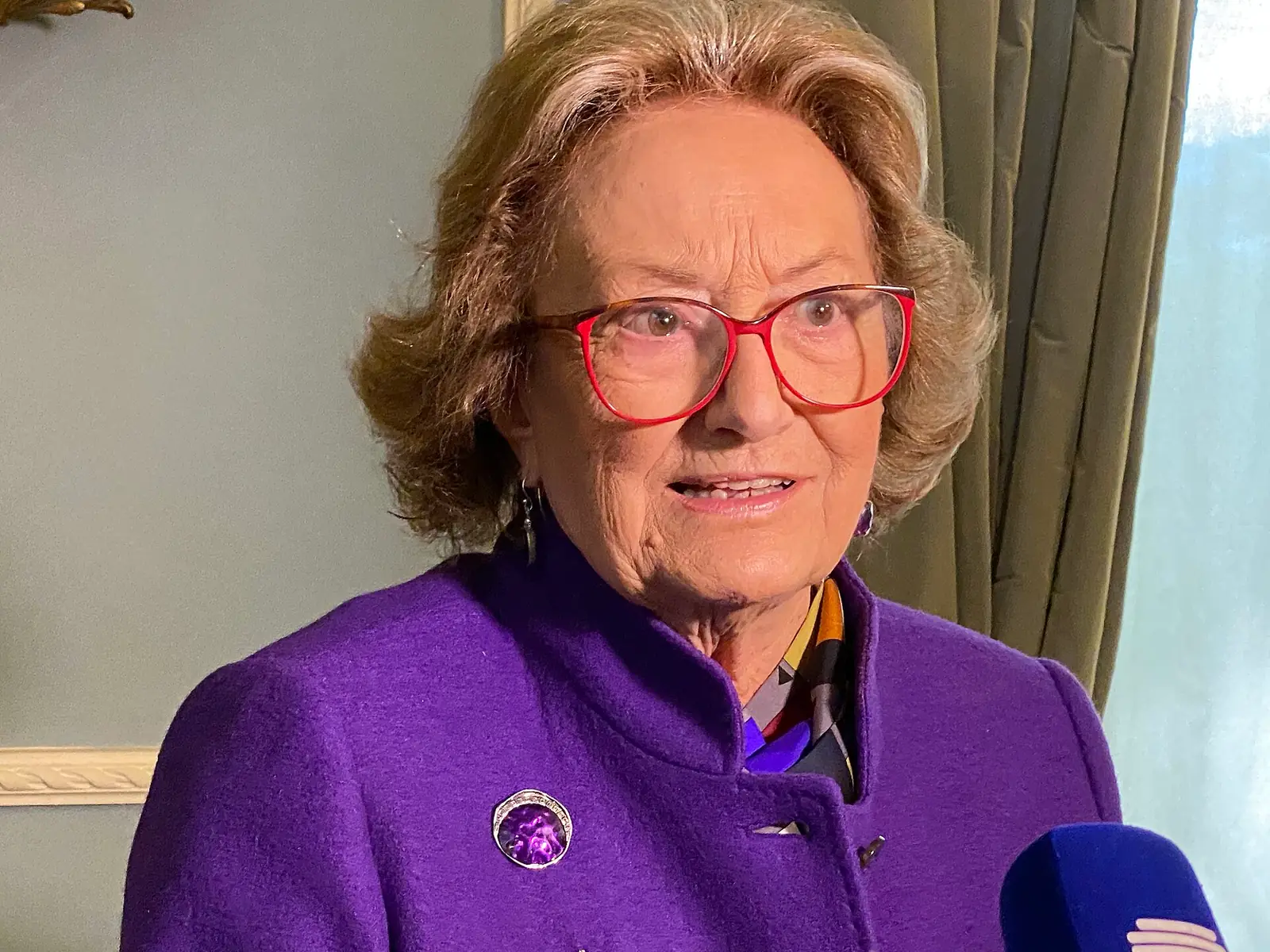
She was one of the founders of the Women’s Liberation Movement (MLM), in May 1974.12 The movement set out “to fight for the right to equality without discrimination on the grounds of sex”.1 It was the MLM that called the feminist demonstration of 13 January 1975 in Parque Eduardo VII. That afternoon, surrounded and chased by a crowd of men, many of the women demonstrators took refuge in Madalena Barbosa’s flat, right next door; “we went to Madalena Barbosa’s place”, said Maria Antónia Palla, who was there.2
She advocated the right to divorce and the decriminalisation of abortion. She took part in setting up the Movement for Contraception and Free Abortion and, in 1979, was spokeswoman for the National Campaign for Abortion and Contraception. In the 1980s she helped create the first Portuguese feminist documentation centres, the Cooperativa Editorial de Mulheres (Women’s Publishing Cooperative) and Informação e Documentação sobre Mulheres (Information and Documentation on Women), whose collection is now in the care of UMAR — União de Mulheres Alternativa e Resposta (Women’s Union Alternative and Response). In the same decade she joined the staff of the Commission on the Status of Women, now the Commission for Citizenship and Gender Equality (CIG).1
She died in 2008. The following year, Lisbon City Council and the CIG created the Madalena Barbosa Prize, and the CIG library bears her name. Her press articles and the texts of her talks were collected after her death in the book Que força é essa (What Force Is That).1
Places

Dates
People
They crossed paths with her
Maria Teresa Horta
1937–2025 · poet
Maria Antónia Palla
b. 1933 · journalist
Maria Isabel Barreno
1939–2016 · writer
Maria Antónia Fiadeiro
1942–2023 · journalist
Otelo Saraiva de Carvalho
1936–2021 · Artillery major


Videos
In other archives
These can only be viewed on each archive’s own website.
Notes on the sources2
- O dia de nascimento: 13 de março de 1942, segundo a Wikipédia em inglês; a CIG e a Assembleia Municipal de Lisboa dão só o ano, e a notícia da RTP de 21 de fevereiro de 2008 diz que morreu «aos 66», o que não bate com essa data (teria 65). Fica só o ano.
- O ano em que entrou para a Comissão da Condição Feminina: 1980, segundo a Wikipédia em inglês; a CIG diz só «na década de 1980».
Do you know more, or do you have a document? Tell us.
Sources5
- 1Mulheres pela Igualdade (biografias). CIG – Comissão para a Cidadania e a Igualdade de Género — consulted on 2 October 2026
- 2A manifestação feminista que não chegou a acontecer, 45 anos depois (Rafaela Cortez, 26/4/2020). Comunidade Cultura e Arte — consulted on 2 October 2026
- 3Madalena Barbosa. Wikipédia (inglês) — consulted on 2 October 2026
- 4Recomendação «Atribuição de homenagem toponímica a Madalena Barbosa». Assembleia Municipal de Lisboa (Grupo Municipal do PEV), 2024 — consulted on 4 October 2026«Faro, 1942 – Lisboa, 21 de Fevereiro de 2008»; o MLM nasceu na noite de 7 de maio de 1974, depois da última sessão do julgamento das «Três Marias».
- 5Feminista Madalena Barbosa morreu hoje aos 66, depois de uma vida dedicada a defender direitos das mulheres. RTP Notícias (Lusa), 2008 — consulted on 4 October 2026Notícia de 21 de fevereiro de 2008; morreu nesse dia, aos 66 anos.