Santa Maria Maior
Palácio Foz – National Propaganda Secretariat / National Information Secretariat (SPN/SNI)
A palace on Restauradores bought by the State in 1940 for the regime’s propaganda machine (the SPN, later the SNI), headed by António Ferro. Press censorship worked in the same building, with its entrance on Calçada da Glória, between 1947/48 and 1961.
History
The Palácio Foz, formerly the Palácio Castelo Melhor, was built between 1777 and 1858 and has been a Property of Public Interest since 1971.212 In the early 20th century, after its owners’ decline, it had a number of tenants.2
The National Propaganda Secretariat (SPN) was created on 25 September 1933 and headed by the journalist António Ferro;89 in 1944, by Decree-Law No. 33 545 of 23 February, it gave way to the National Information and Popular Culture Secretariat (SNI).110 In 1940 the State bought the palace, evicted the tenants and made it the headquarters of the SPN; the conversion works, by the architect Luís Benavente, began the following year.113
The building also played a direct part in the repression of the written word: according to the researcher Joaquim Cardoso Gomes, the press censorship services worked at Calçada da Glória, 9, 2nd floor, “in the Palácio Foz building”, from 1947/48 until 1961, before moving to Rua de São Pedro de Alcântara.5
Nearby, by the Elevador da Glória, PIDE agents killed the worker David Almeida Reis, in front of the former Café Palladium, during the May Day demonstration on 1 May 1964.6 The café, opened in 1932 and closed at the end of the 1970s, was on the ground floor of no. 1 Avenida da Liberdade, next to the funicular.1415 After 25 April the Institute of Social Communication moved into the palace;3 today it houses, among other services, the National Sports Museum, opened in 2012.13
Walks
2
Where
Map showing where Palácio Foz – National Propaganda Secretariat / National Information Secretariat (SPN/SNI) is.
Open on the map of Lisbon Walk there
Nearby
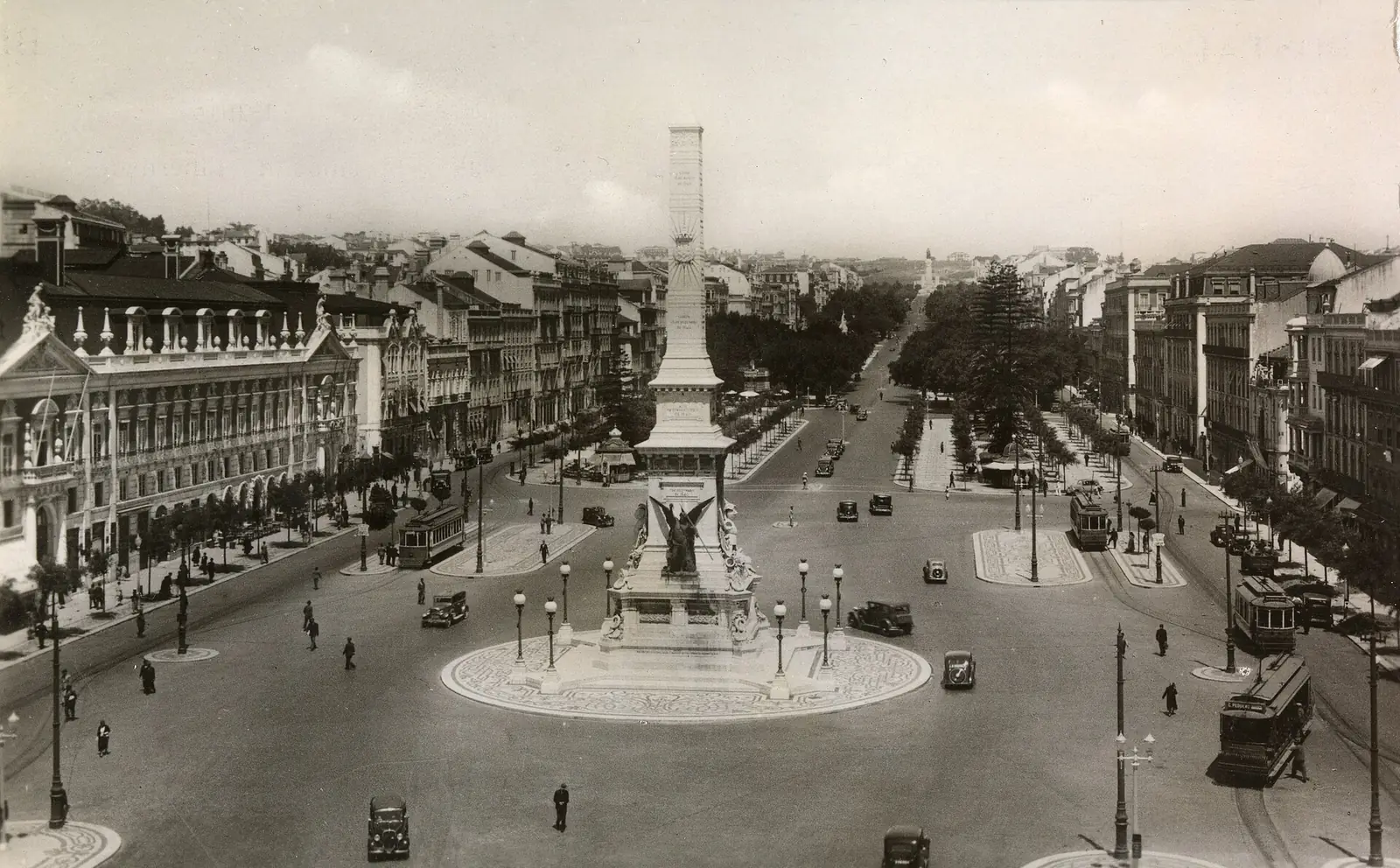
National Council of Portuguese Women
70 m · 1 min on foot
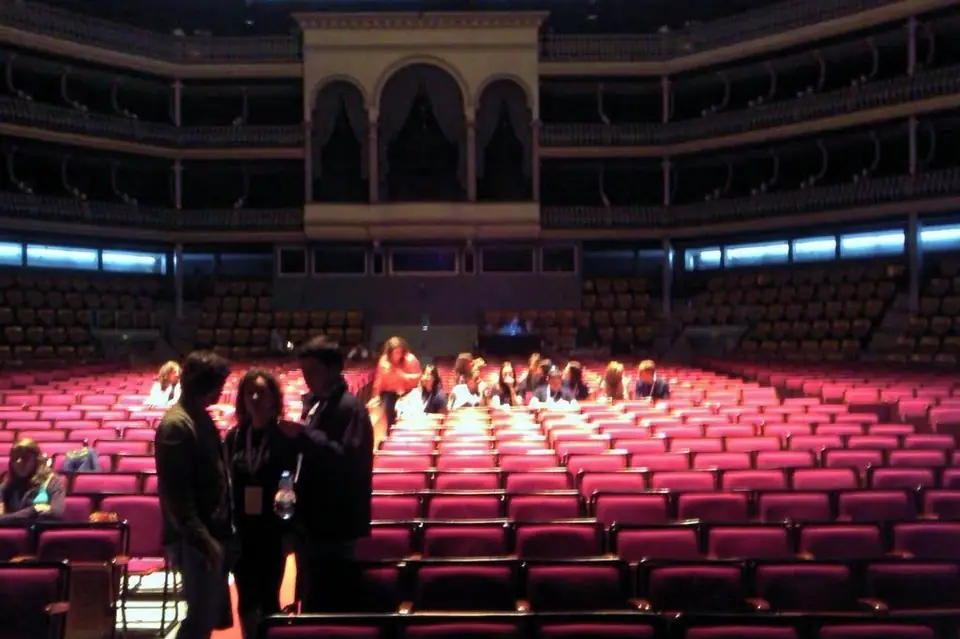
Coliseu dos Recreios
210 m · 3 min on foot
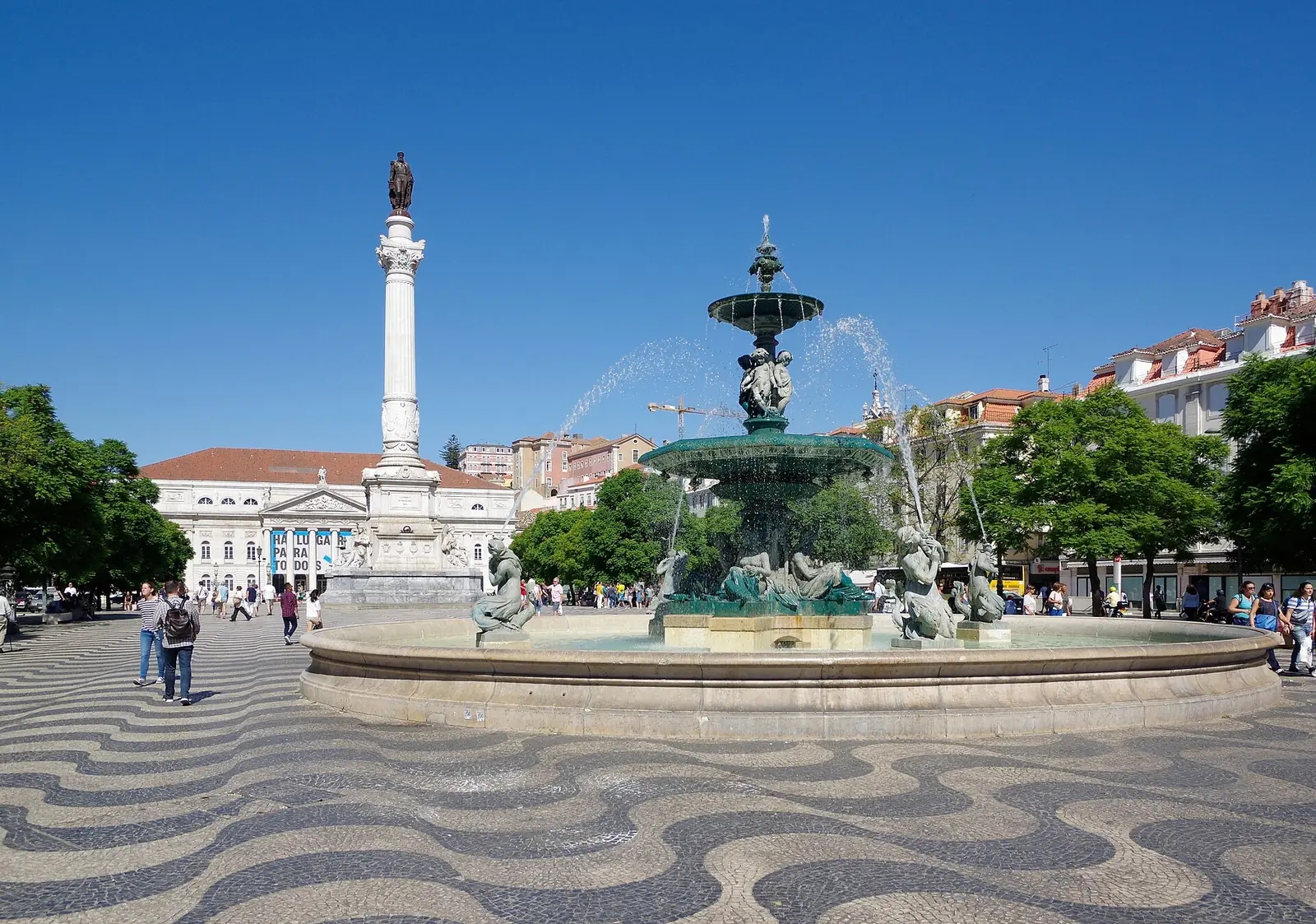
Café Gelo
260 m · 4 min on foot
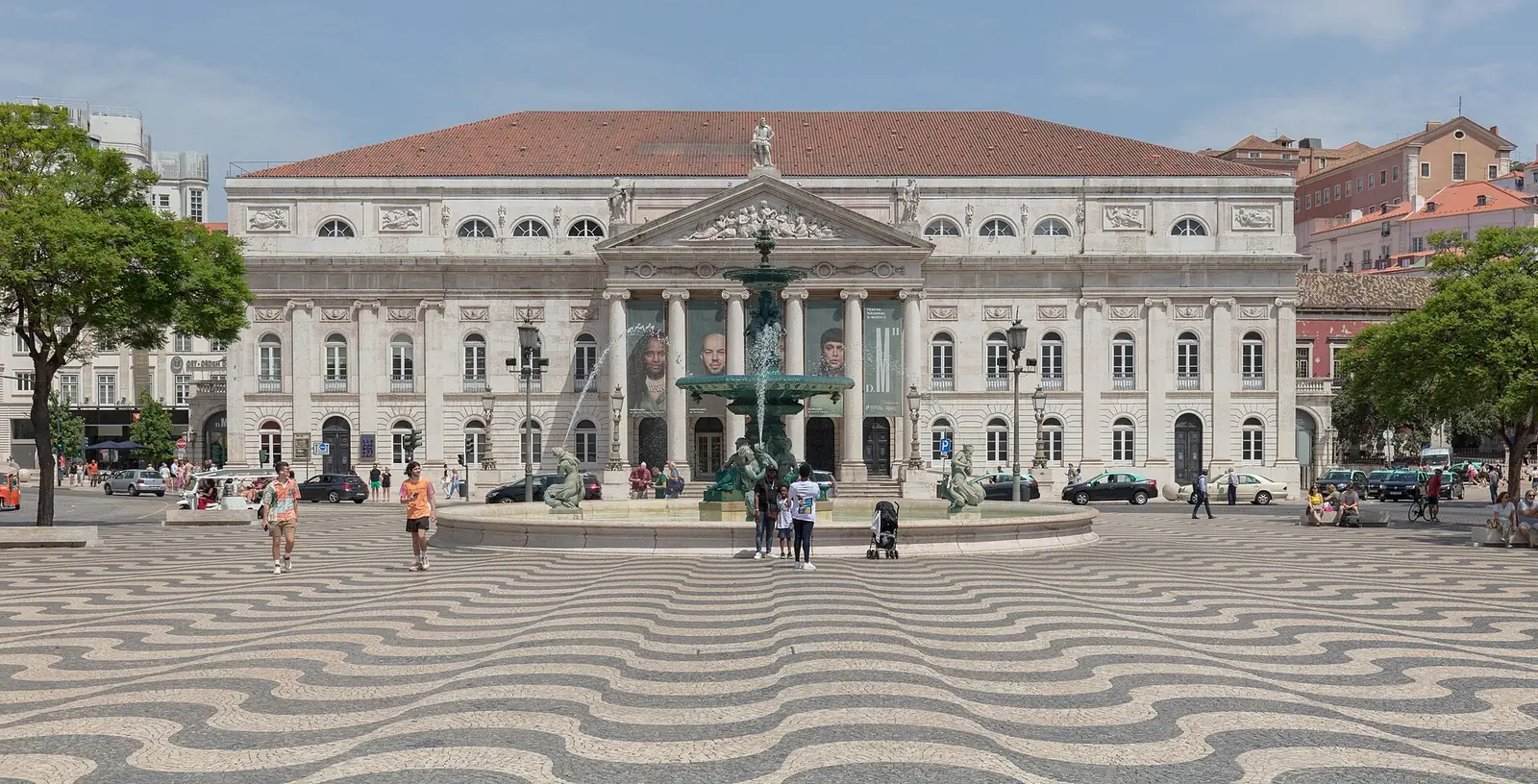
D. Maria II National Theatre
260 m · 4 min on foot


Dates
7
25 September 1933
The National Propaganda Secretariat is created.
1940
The State buys the palace as the SPN’s headquarters.
1947
Press censorship moves to Calçada da Glória, 9, in the Palácio Foz building (1947/48–1961).
1 May 1964
David Almeida Reis is killed by the PIDE by the Elevador da Glória.
1971
Listed as a Property of Public Interest.
22 Jun 1926
Press censorship moves into the Carmo Barracks28 May 1974
Artists cover up the statue of Salazar at the Palácio Foz
Videos
3
Presentation, at the Aljube Museum, of Maria do Carmo Piçarra’s book on the Cinema do Povo (People’s Cinema, 1935–1954), the SPN/SNI travelling cinema that took Estado Novo propaganda films to the villages. The book is presented by the filmmaker Susana de Sousa Dias; according to the museum, the image of the regime projected there was the one devised by António Ferro.
Original page Licença padrão do YouTube — embed permitido pelo canal oficial do Museu do Aljube
Museu do Aljube Resistência e Liberdade, on YouTube. The player only connects to that site when you press “Watch”.
In other archives
These can only be viewed on each archive’s own website.
- RTP Arquivos · Video · broadcast on 26 February 1959 · 3 minSindicato Nacional dos JornalistasThe National Union of Journalists marks its 25th anniversary with a session at the Palácio Foz, headquarters of the National Secretariat for Information. The Minister of the Presidency, Pedro Teotónio Pereira, is received by the national secretary for Information; silent footage.Open in the archive
- RTP Arquivos · Video · broadcast on 24 February 1967 · 1 minConferência de Saint Paulien no Palácio FozSilent footage of a lecture by the French historian Saint Paulien at the Palácio Foz, on “A Missão de Portugal em África” (Portugal’s Mission in Africa). In the audience is César Moreira Baptista, the national secretary for Information.Open in the archive
Notes on the sources2
- The magazine “JJ – Jornalismo & Jornalistas”, which published Joaquim Cardoso Gomes’s study, uses the Palácio Ludovice (Rua de São Pedro de Alcântara, 45) to illustrate a building where “the SPN operated”; in which years has not been confirmed.
- Visiting hours: the National Sports Museum (IPDJ) page publishes only the opening hours of the Jamor Interpretation Centre, opened by the museum in 2019, and does not say whether the Palácio Foz section is still open to the public.
Do you know more, or do you have a document? Tell us.
Sources15
- 1Decreto-Lei n.º 33 545, de 23 de fevereiro de 1944 (Diário do Governo, I série, n.º 37). Diário do Governo (Imprensa Nacional), no Diário da República Eletrónico, 1944 — consulted on 4 October 2026Concentra o Secretariado da Propaganda Nacional, os serviços de turismo, de imprensa (com a censura), de exposições e de radiodifusão «num Secretariado Nacional de Informação e Cultura Popular, dependente da Presidência do Conselho».
- 2Palácio Foz. Open House Lisboa – Trienal de Arquitectura de Lisboa — consulted on 2 October 2026
- 3Palácio Foz. Wikipédia (ponto de partida) — consulted on 2 October 2026
- 4Secretariado de Propaganda Nacional. Wikipédia (ponto de partida) — consulted on 2 October 2026
- 5Os censores da imprensa (Joaquim Cardoso Gomes), JJ – Jornalismo & Jornalistas n.º 57, jan./jun. 2014. Clube de Jornalistas (PDF no Centro de Documentação 25 de Abril, Univ. Coimbra) — consulted on 2 October 2026
- 6Os que ficaram pelo caminho (lista, páginas 1 a 7). Memória Comum – Memorial aos Presos e Perseguidos Políticos — consulted on 2 October 2026
- 7Nominatim – OpenStreetMap (geocodificação). OpenStreetMap contributors (ODbL) — consulted on 2 October 2026
- 8Decreto-Lei n.º 23 054, de 25 de setembro de 1933 (Diário do Governo, I série, n.º 218): cria o Secretariado da Propaganda Nacional. Diário do Governo (Imprensa Nacional), no Diário da República Eletrónico, 1933 — consulted on 3 October 2026
- 9Associação dos Professores de História / André Silveira, O SPN como motor do projeto cultural do Estado Novo. RTP Ensina, 2021 — consulted on 3 October 2026
- 10A Censura no Salazarismo. Comissão Comemorativa 50 Anos 25 de Abril — consulted on 2 October 2026
- 11Margarida Elias, A adaptação do Palácio Foz para sede do Secretariado Nacional de Informação: a intervenção da DGEMN e de Luís Benavente no mobiliário e decoração de interiores (1940-1953). Instituto de História da Arte – NOVA FCSH (repositório RUN), 2014 — consulted on 3 October 2026O resumo diz que em 1940 o Estado comprou o palácio e decidiu que seria ocupado pelo SPN/SNI e pela Inspeção-Geral dos Espetáculos; as obras, de Luís Benavente para a DGEMN, começaram no ano seguinte.
- 12Palácio Foz, Palácio Castelo Melhor. e-cultura (Centro Nacional de Cultura) — consulted on 3 October 2026Ficha de património: Imóvel de Interesse Público pelo Decreto n.º 516/71 (Diário do Governo n.º 274, de 22 de novembro de 1971).
- 13Museu Nacional do Desporto. IPDJ – Instituto Português do Desporto e Juventude — consulted on 3 October 2026O museu foi inaugurado no Palácio Foz, nos Restauradores, a 12 de julho de 2012.
- 14O Pátio das Antigas — o Palladium da Avenida. Time Out Lisboa — consulted on 4 October 2026O Café Palladium abriu em 1932 no piso térreo do n.º 1 da Avenida da Liberdade, ao lado do Ascensor da Glória, e fechou no fim dos anos 70.
- 15Edifício do Café Palladium. Centro Nacional de Cultura (e-cultura) — consulted on 4 October 2026Morada do edifício — Avenida da Liberdade, 1-3.
Coordinates: OpenStreetMap (Nominatim), consultado a 2 de outubro de 2026.