Santa Maria Maior
Headquarters of the Seamstresses and Stitchers’ trade association (Rua do Benformoso)
In 1915 the Seamstresses and Stitchers’ union had its headquarters here. It was here that Adelaide Abrantes called the women workers of Ramiro Leão & C.ª, who went on strike against the dismissal of three colleagues and were dispersed by the GNR.
History
In 1915 the trade association — the union — of the Seamstresses and Stitchers had its headquarters on this street. On 11 July that year, the newspaper A Voz do Operário (The Worker’s Voice) published a letter from a “father of a seamstress” about the women workers at a factory on the Santana hill belonging to a large Chiado firm, Ramiro Leão & C.ª: they paid for the thread they sewed with, 80 to 90 centavos a week, and earned between 185 and 220 centavos a week.1
In the next issue, on 18 July, Adelaide Abrantes, a leader of the union, replied: the boss would not treat the women workers so badly if they were organised, “for without a boss one can still produce, but it is the boss who cannot live without the producers”. And she called them to a meeting at the headquarters, here on Rua do Benformoso. “More than a hundred” are said to have come, with more complaints: at the factory, even the doors of the lavatories had been torn off.1
On 8 August, the union — a reformist one, whose leaders formed the hard core of the Union of Socialist Women — announced that it was “in the fight, in defence of its comrades”. Three women workers at Ramiro Leão who sat on a committee campaigning for the eight-hour-day law, Miquelina Furtado, Laurinda Pinheiro and Lúcia Martins, were dismissed by the manager as “diehard revolutionaries”. The next day, before six in the morning, their colleagues gathered at the gates and the factory came to a halt. At around ten a GNR cavalry detachment arrived and, shortly afterwards, the infantry; after some four and a half hours, the peaceful protest was broken up with pushing and shoving. A committee of the strikers went to the civil governor, and the secretary who received them is said to have wondered that, “for a mere women’s matter”, there should be need of “cavalry, infantry, uniformed police”.1
The strike was defeated, and the next day most of the women workers went back to the factory. A dozen resigned in solidarity with their three colleagues and thought of forming a cooperative. These struggles paved the way for the 1919 law that limited working hours to eight a day.1
Where
Map showing where Headquarters of the Seamstresses and Stitchers’ trade association (Rua do Benformoso) is.
Open on the map of Lisbon Walk there
Nearby
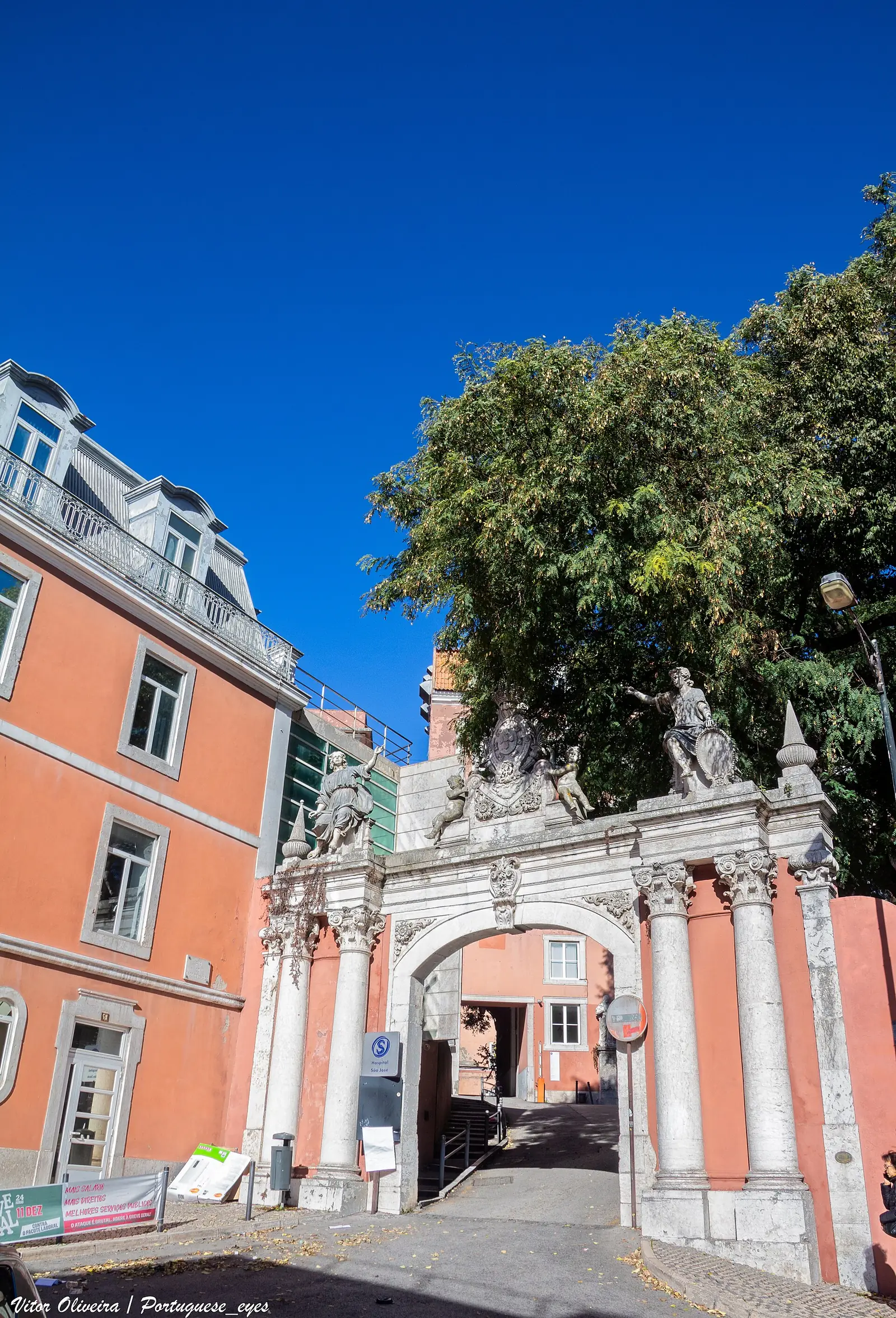
São José Hospital
260 m · 4 min on foot
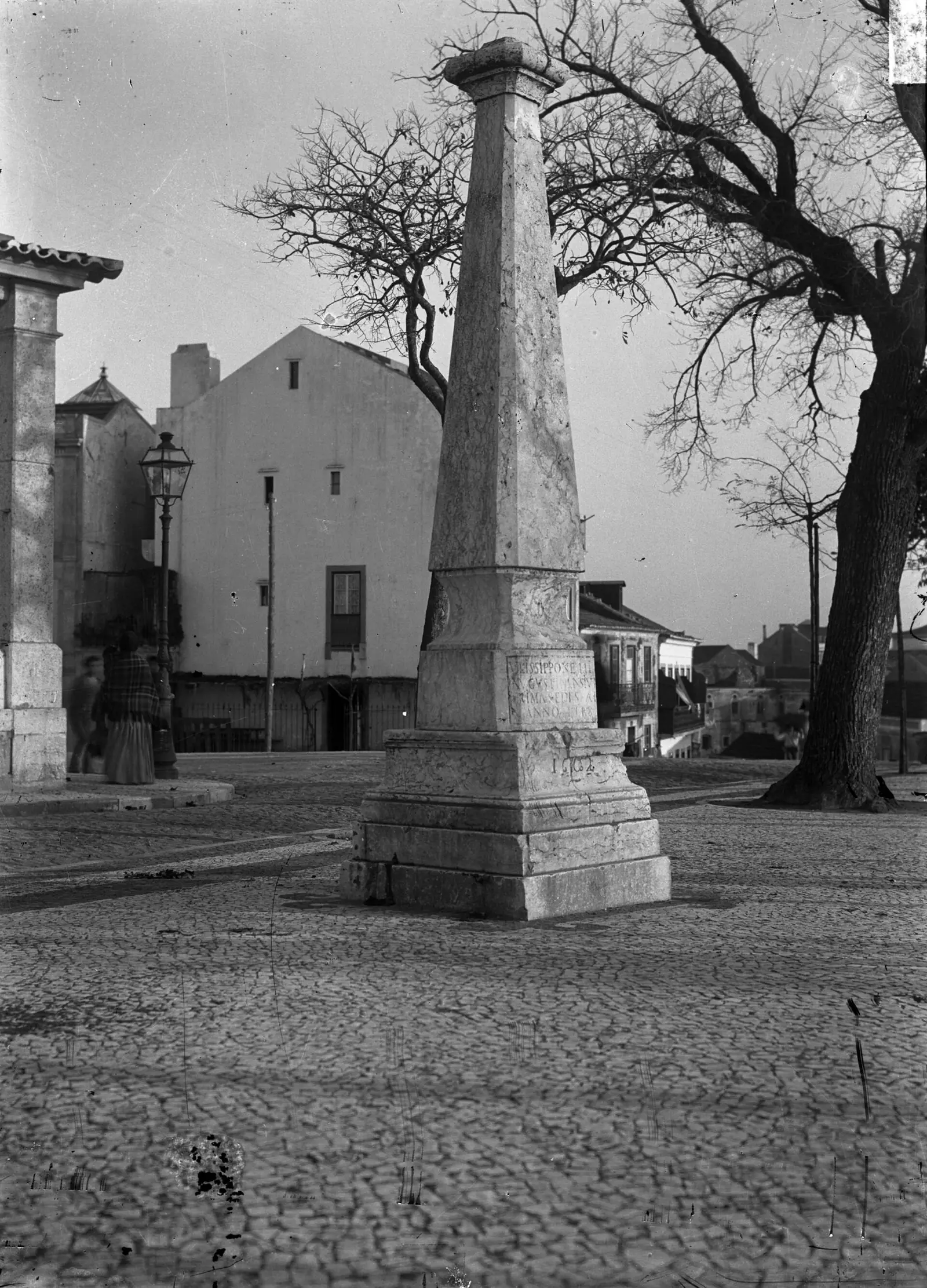
House where Angelina Vidal died (Rua de São Gens, 41)
270 m · 4 min on foot
Palácio Camarido – FNAT headquarters
360 m · 5 min on foot
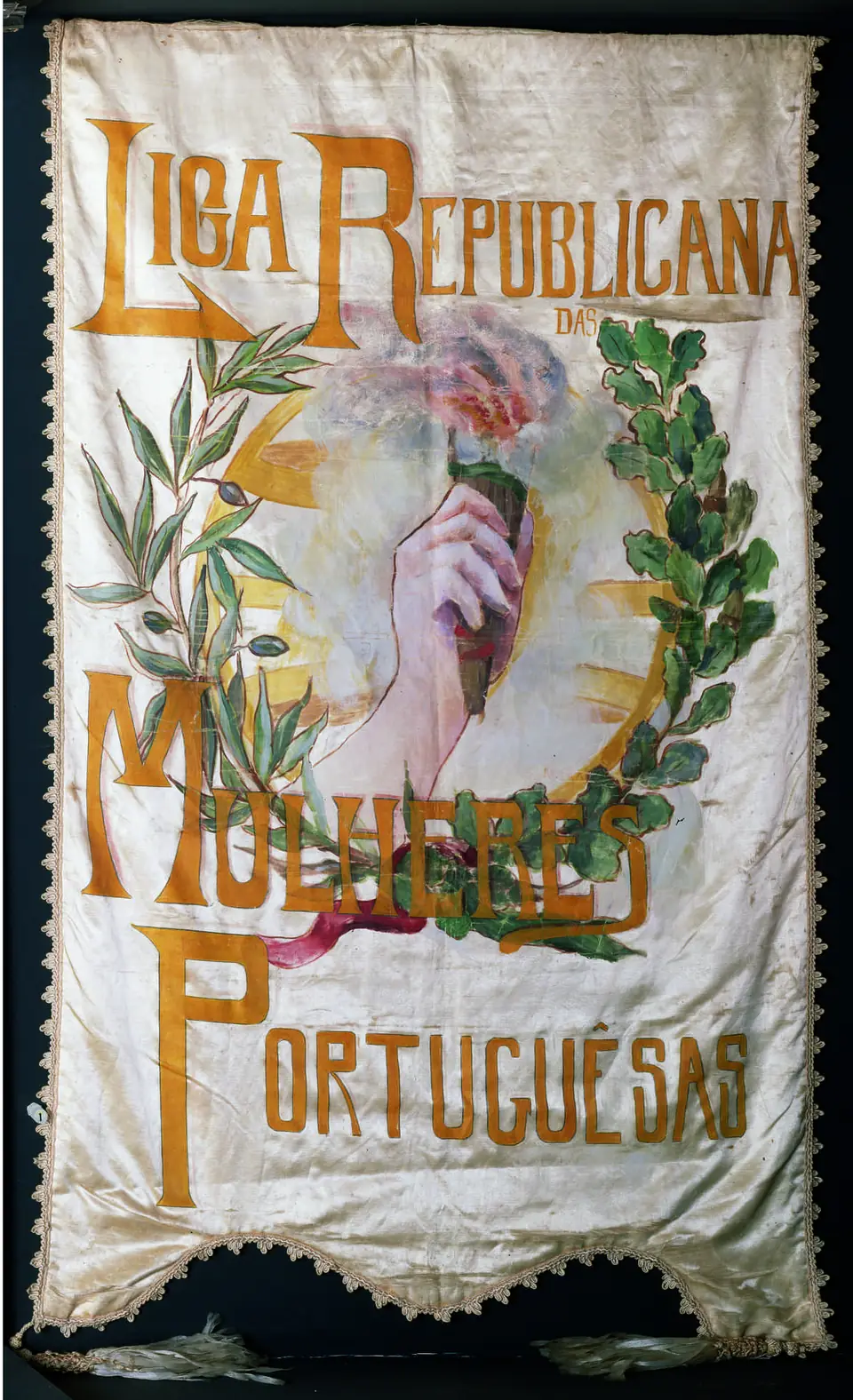
Headquarters of the Republican League of Portuguese Women (Rua dos Castelinhos, 6)
460 m · 7 min on foot


Dates
11 July 1915
A letter in A Voz do Operário denounces the conditions of the Ramiro Leão seamstresses.
18 July 1915
Adelaide Abrantes calls the women workers to the union headquarters, on Rua do Benformoso.
8 August 1915
The union announces that it is “in the fight”; the strike at the factory follows.
Aug 1915
Strike by the Ramiro Leão & C.ª seamstresses
Notes on the sources4
- The street number of the union headquarters on Rua do Benformoso.
- The day of the strike (in the summer of 1915, after 8 August) and the address of the factory, on the Santana hill.
- Everything told here comes from a single article, by Luís Carvalho, in the newspaper A Voz do Operário (2019), which summarises the 1915 issues of the same paper.
- The article says that twelve women workers resigned in solidarity, but the list of names it publishes has eleven.
Do you know more, or do you have a document? Tell us.
Sources1
- 1Greve de operárias da Ramiro Leão em 1915 (Luís Carvalho, 4/9/2019). A Voz do Operário — consulted on 2 October 2026
Coordinates: OpenStreetMap (Nominatim), consultado a 2 de outubro de 2026.